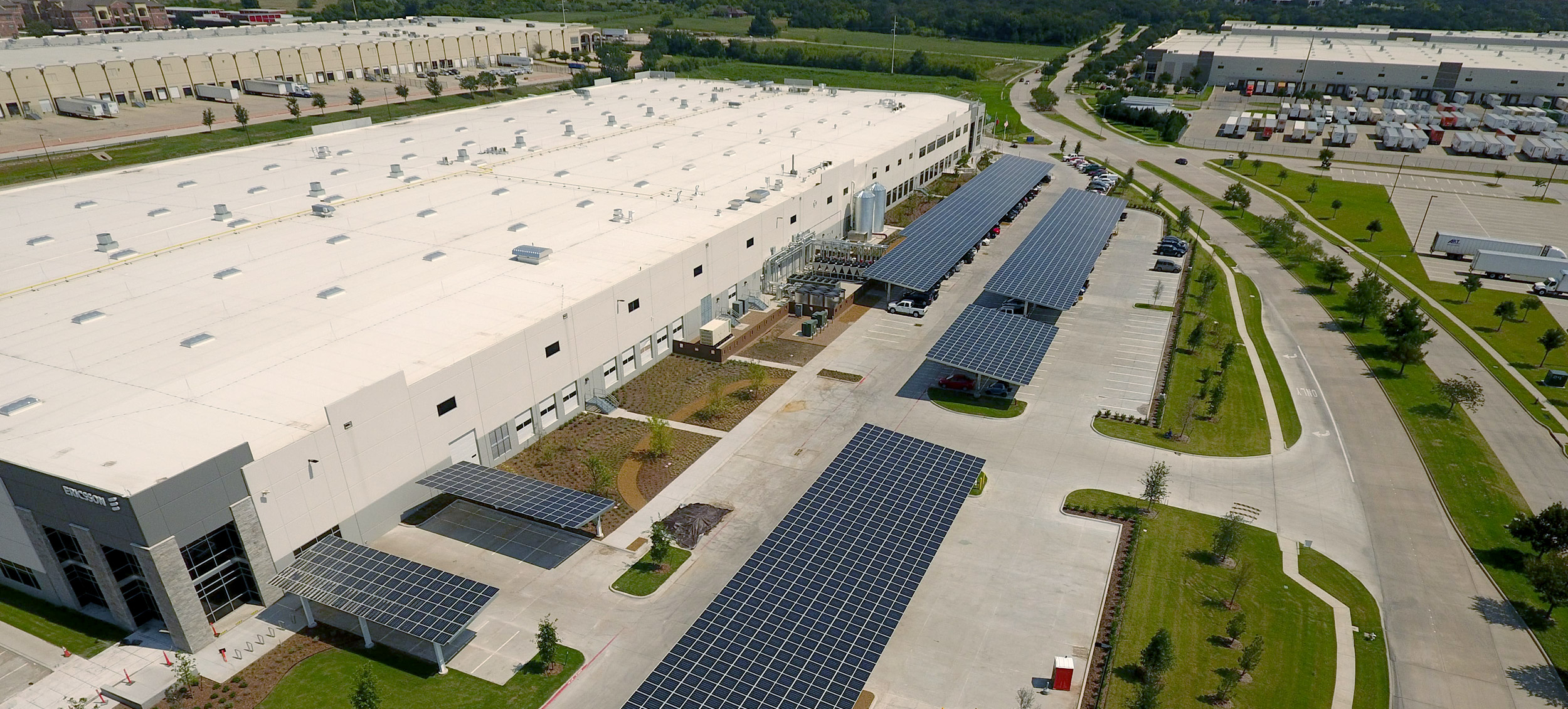
Ericsson USA 5G Smart Factory
Company:
Ericsson
Date:
2019 – 2020
Role:
Lead designer
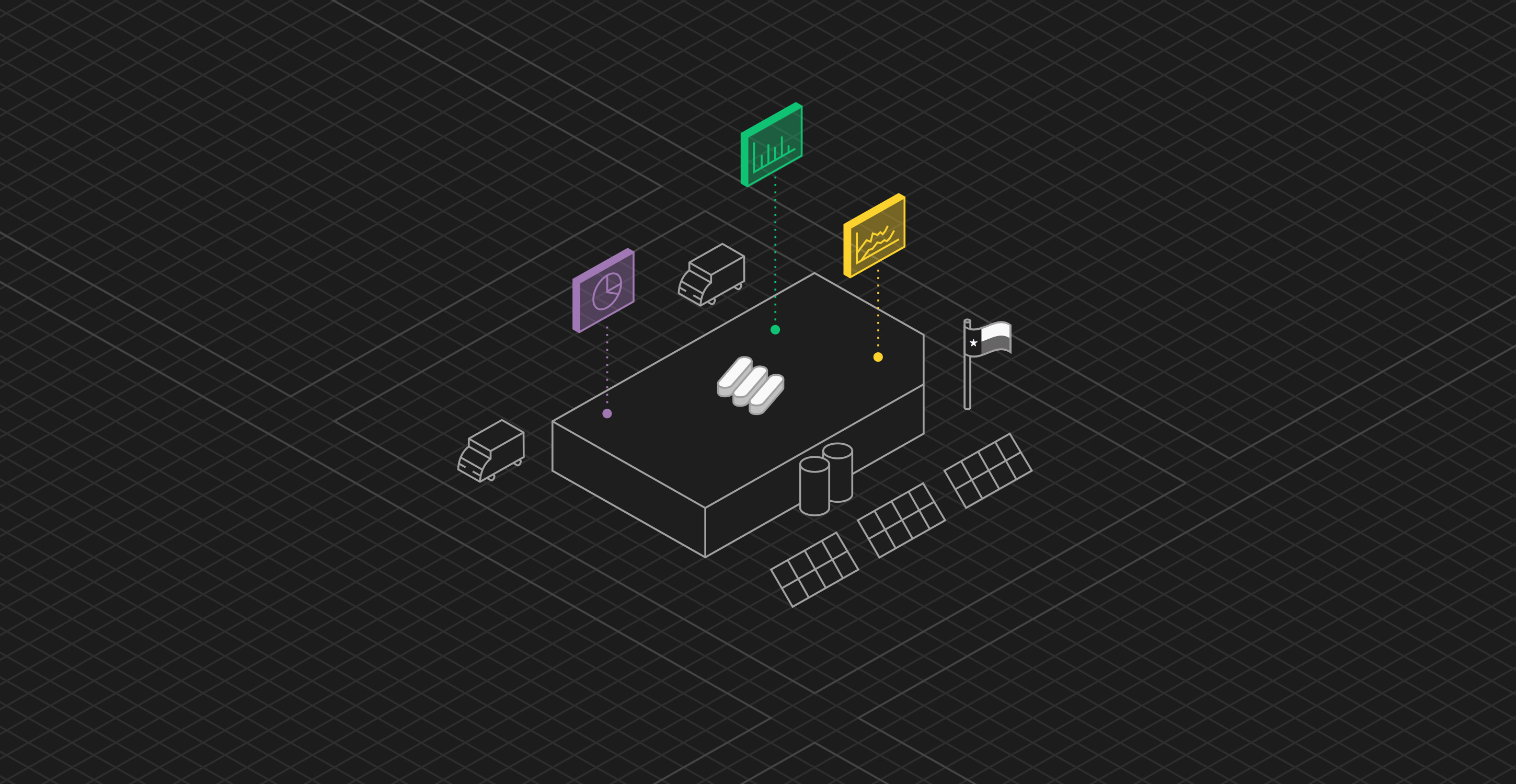
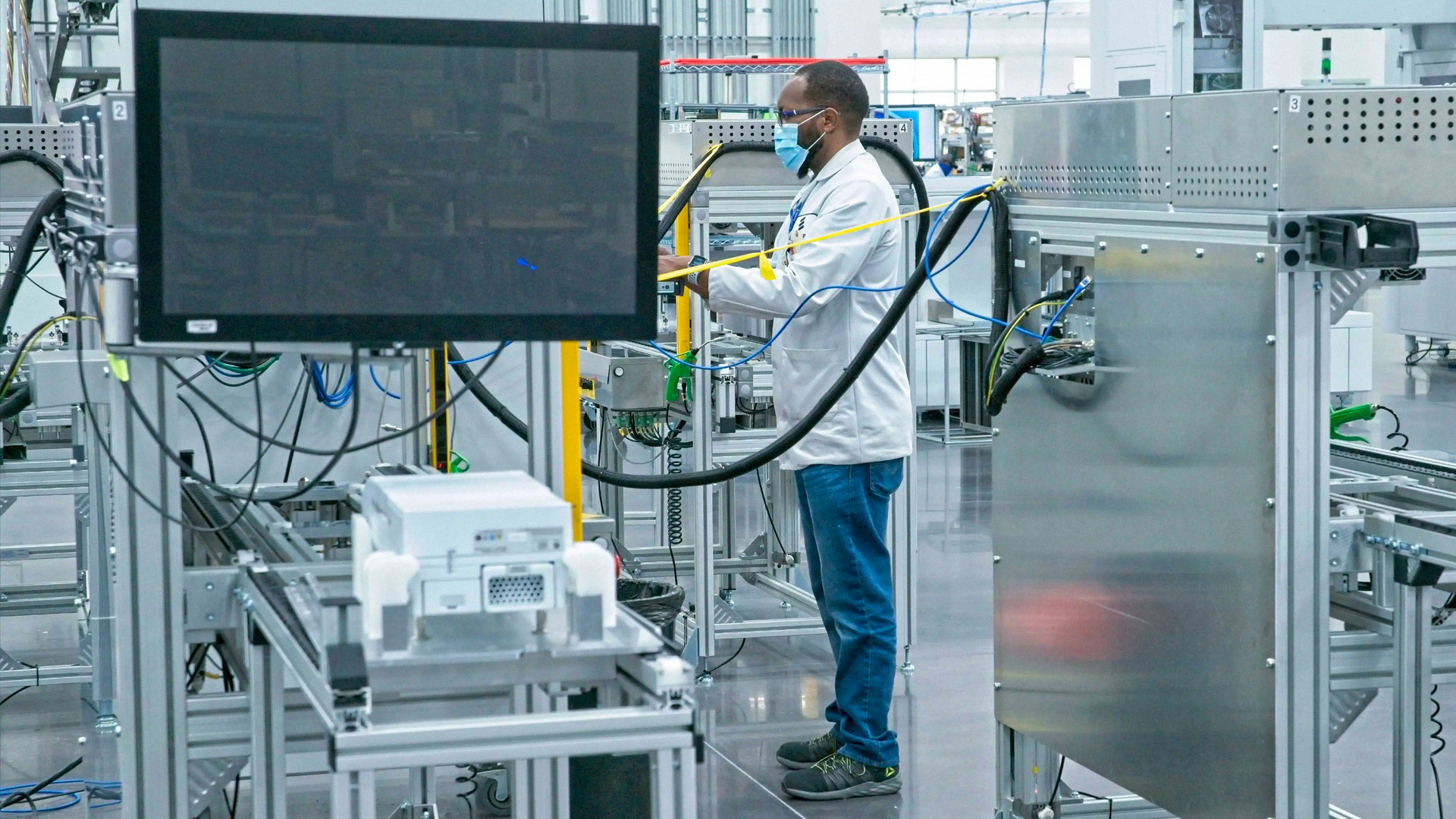
In 2019, a team of industry experts at Ericsson invited me to join a new and innovative project. Ericsson had plans for a new 5G Smart Factory in the US. The factory would be a fully automated production facility. It would also serve as a showcase environment for 5G and Industry 4.0. In other words, the team needed to create a groundbreaking visitor experience covering both digital and physical touchpoints.
A new factory
Building a new factory was part of Ericsson’s strategy to invest more in the North American market. The factory would bring the company closer to customers and help accelerate 5G network deployment in the US. At the same time, Ericsson wanted to create a state-of-the-art facility to demonstrate 5G’s role in modern manufacturing. The chosen location was Lewisville in the Dallas–Fort Worth metroplex.
When I joined, the factory was already under construction. An initial roadmap for the visitor experience was also in place. The factory leadership team had realized they needed UX expertise and reached out to us. I was asked to drive the UX tracks and lead the UX designers and researchers. Our team consisted of three UX professionals: one UX lead (myself) and two designers and researchers working interchangeably.
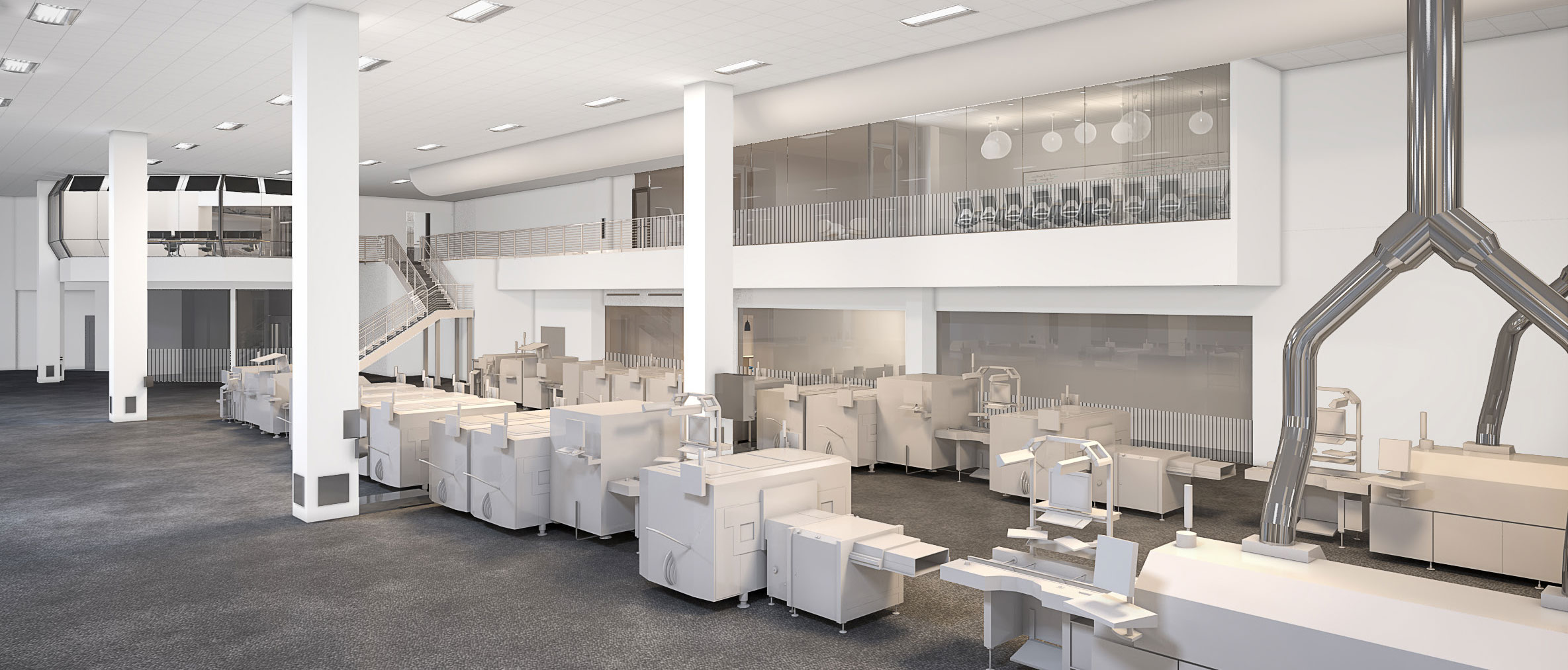
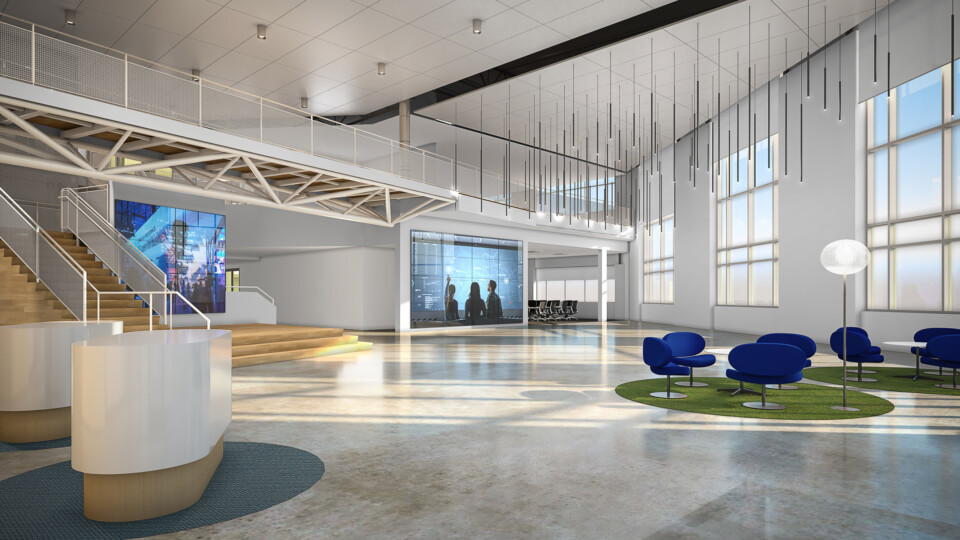
My first action was to review the documentation and roadmap. The roadmap covered several visitor experience use cases, including drone monitoring and self-driving vehicles. I also needed to understand the factory itself. I reviewed architectural drawings and 3D renders, and held several discussions with factory experts across the project.
After completing my first assessment, I began planning our UX activities. The goal was to define how we could best contribute while staying aligned with the overall timeline. For the first development wave, we needed to prioritize 15 use cases.
Research in Stockholm and Tallinn
After onboarding, we visited the Ericsson workshop in Kista. The visit helped us understand the factory environment and get familiar with the machines and workers. We received a guided tour of the facilities and managed to observe and interview some of the personnel.
We also convinced stakeholders to let us visit Ericsson’s factory in Tallinn, Estonia. The goal was to continue user research, understand the context of factory end-users, and verify assumptions the US teams had made around the different use cases. We also wanted to build connections and explore further use cases.
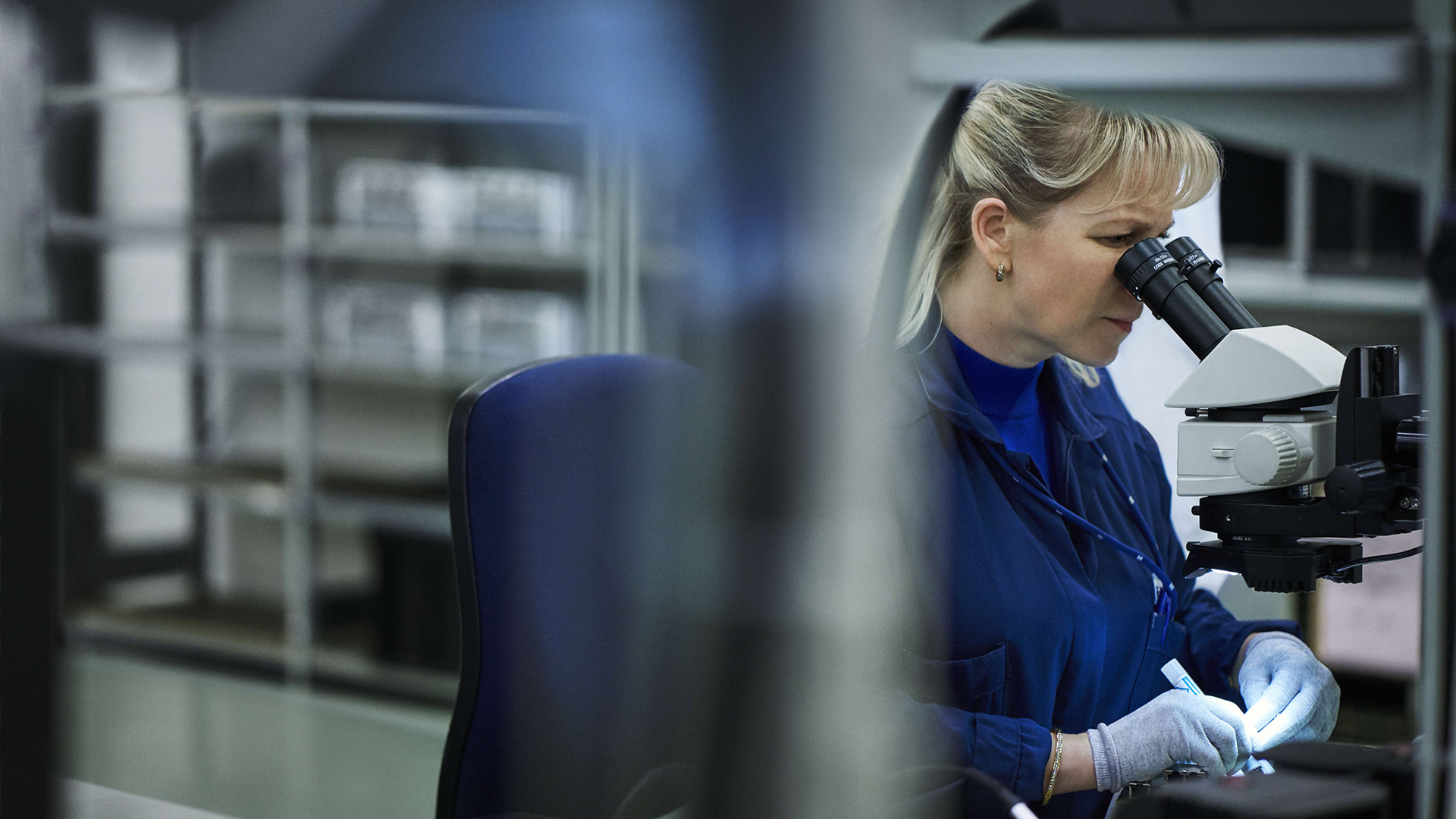
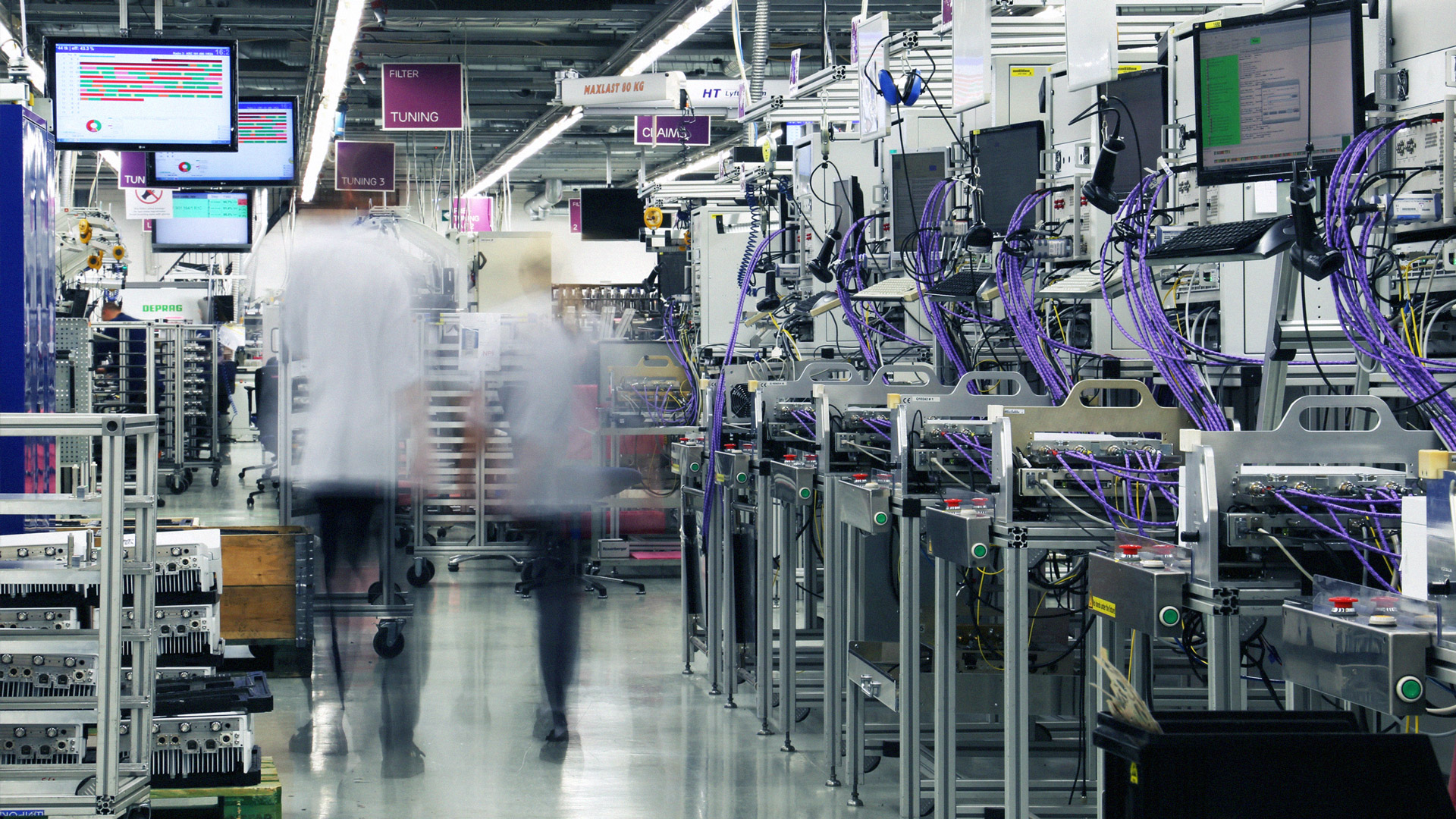
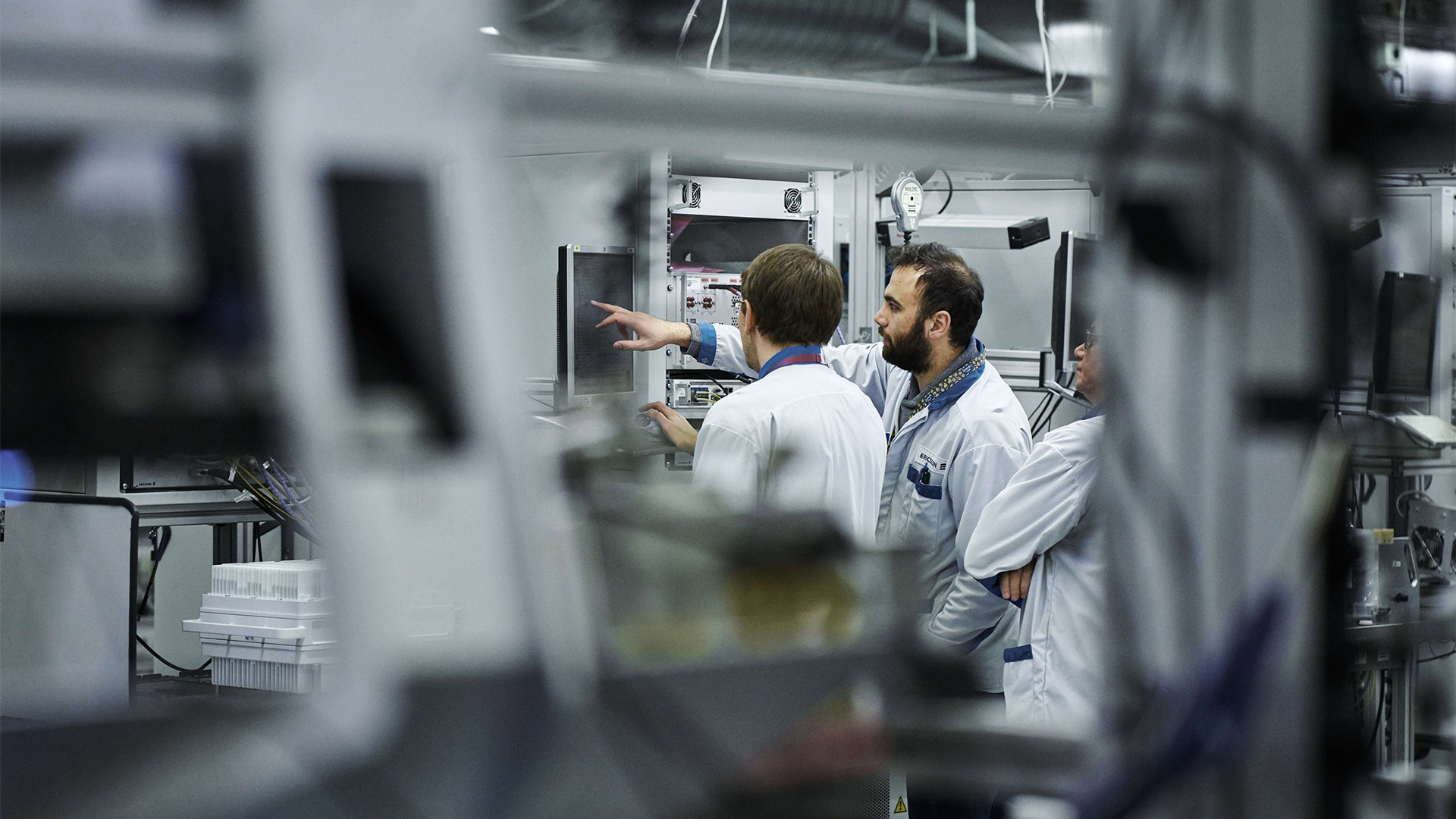
We spent four days in Tallinn learning about factory operations. We observed both manual labor and automated solutions. We also interviewed several members of the factory staff, including the facility manager, process engineers, and the supply chain manager. The Tallinn teams shared learnings from visitor use cases they had already tested, along with their experiences around similar use cases to those planned for the US factory. This included both problems they had encountered with different types of equipment and the solutions they had found.
Defining the visitor experience
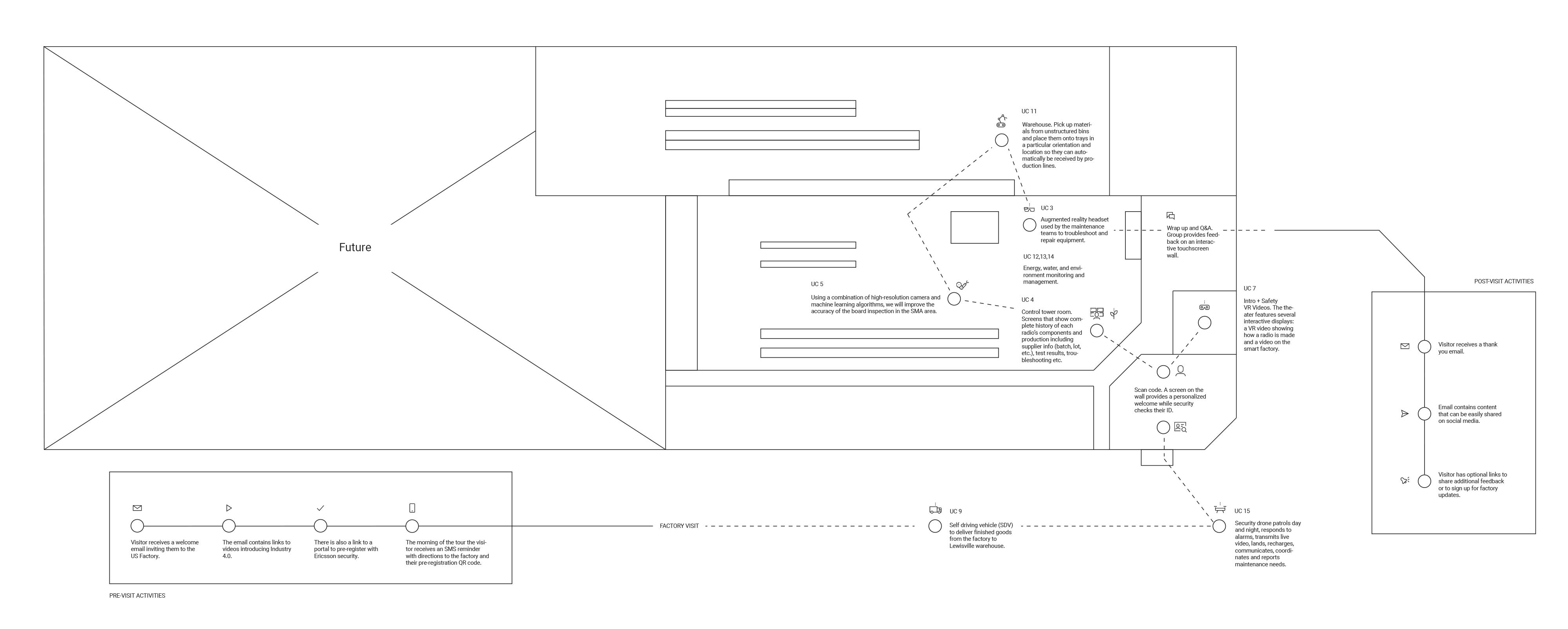
Building on the insights from our research, we shifted focus to shaping the end-to-end visitor experience for the Ericsson 5G Smart Factory. We reviewed the key use cases and mapped the visitor journey using the available input, including technical descriptions, stakeholder information, and architectural drawings.
To make the journey more complete and actionable, we added our own ideas for what would happen before and after the on-site visit. Pre-visit actions included an introduction email and onboarding. Post-visit actions included a thank-you email, content sharing, and follow-up material.
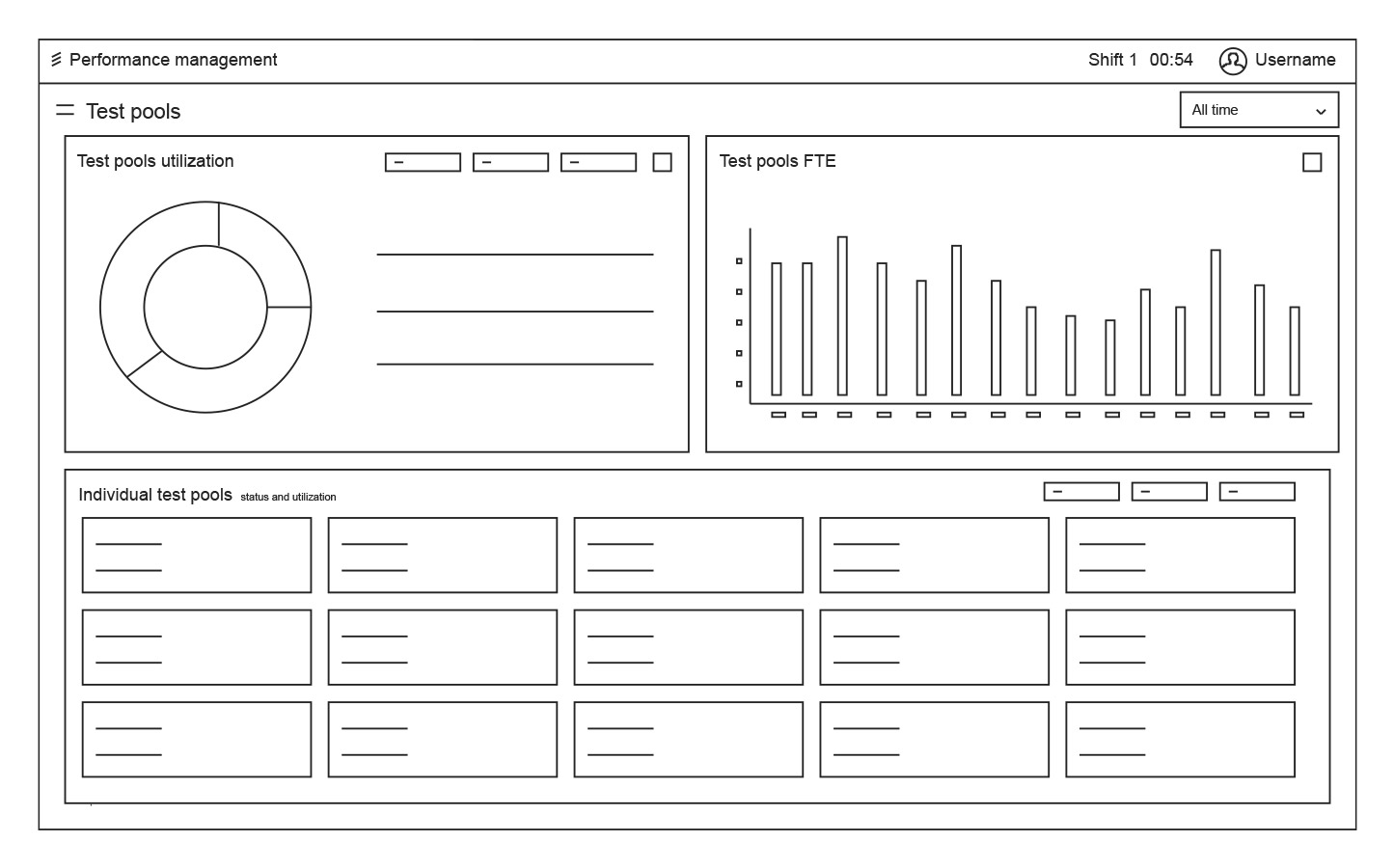
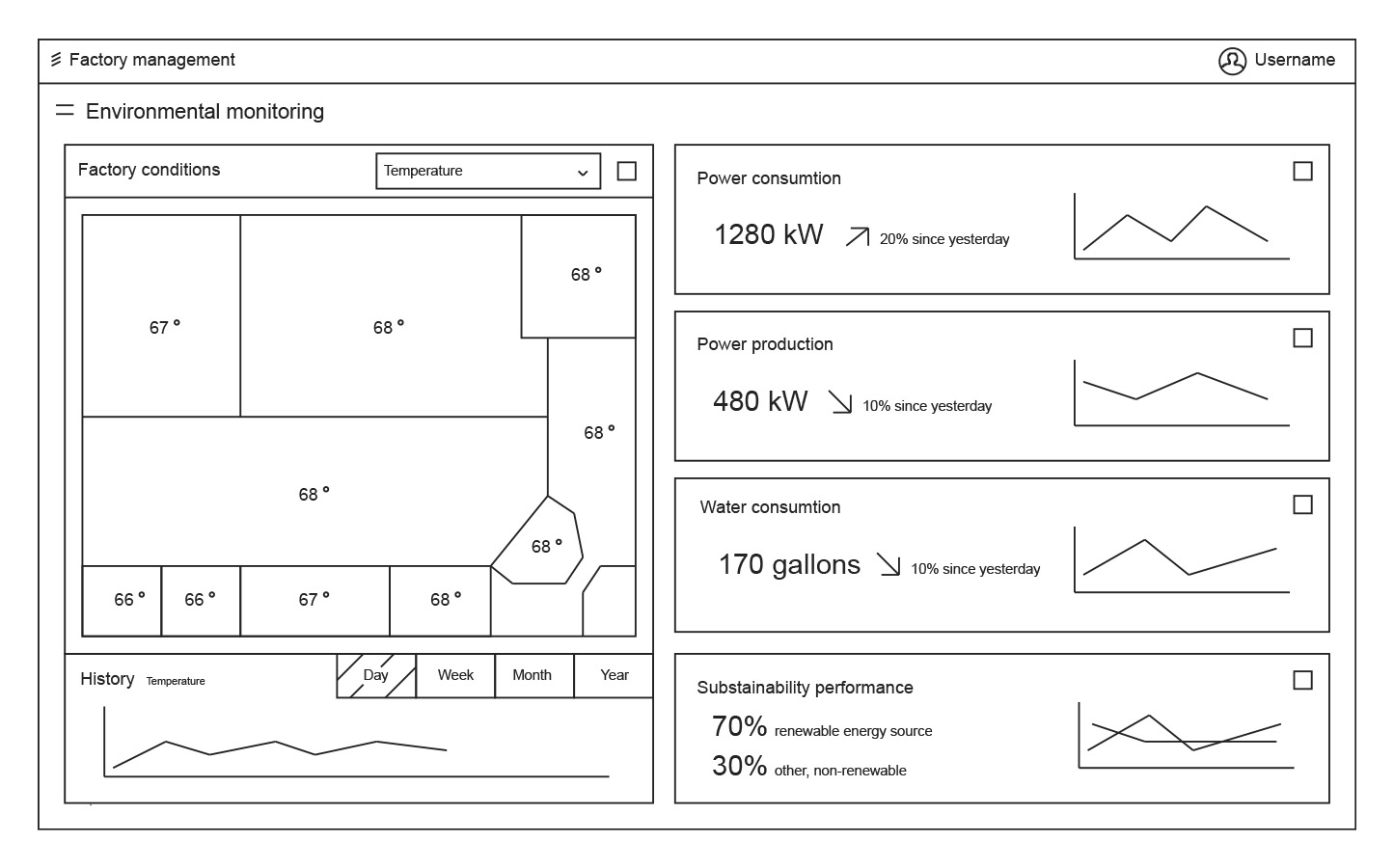
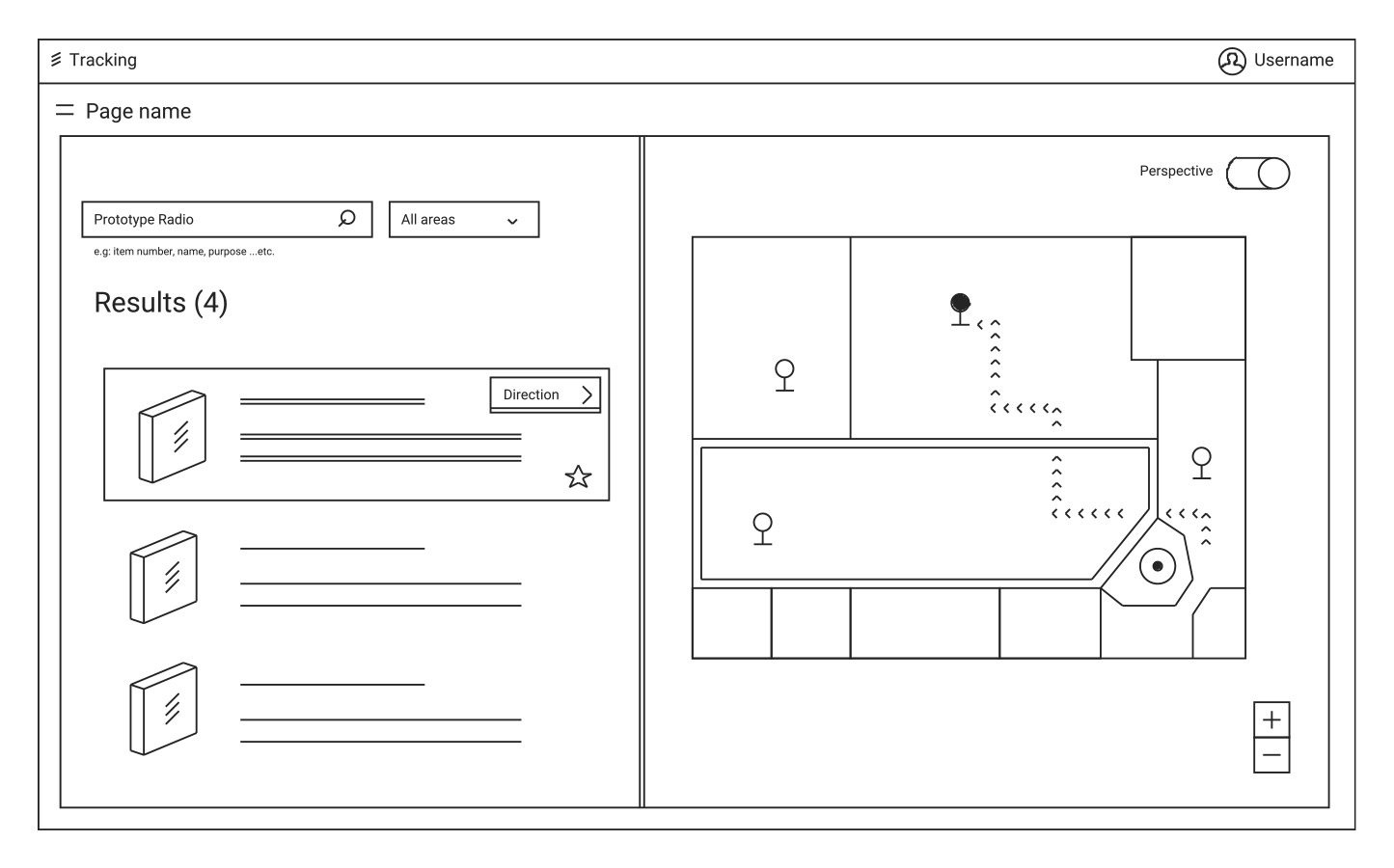
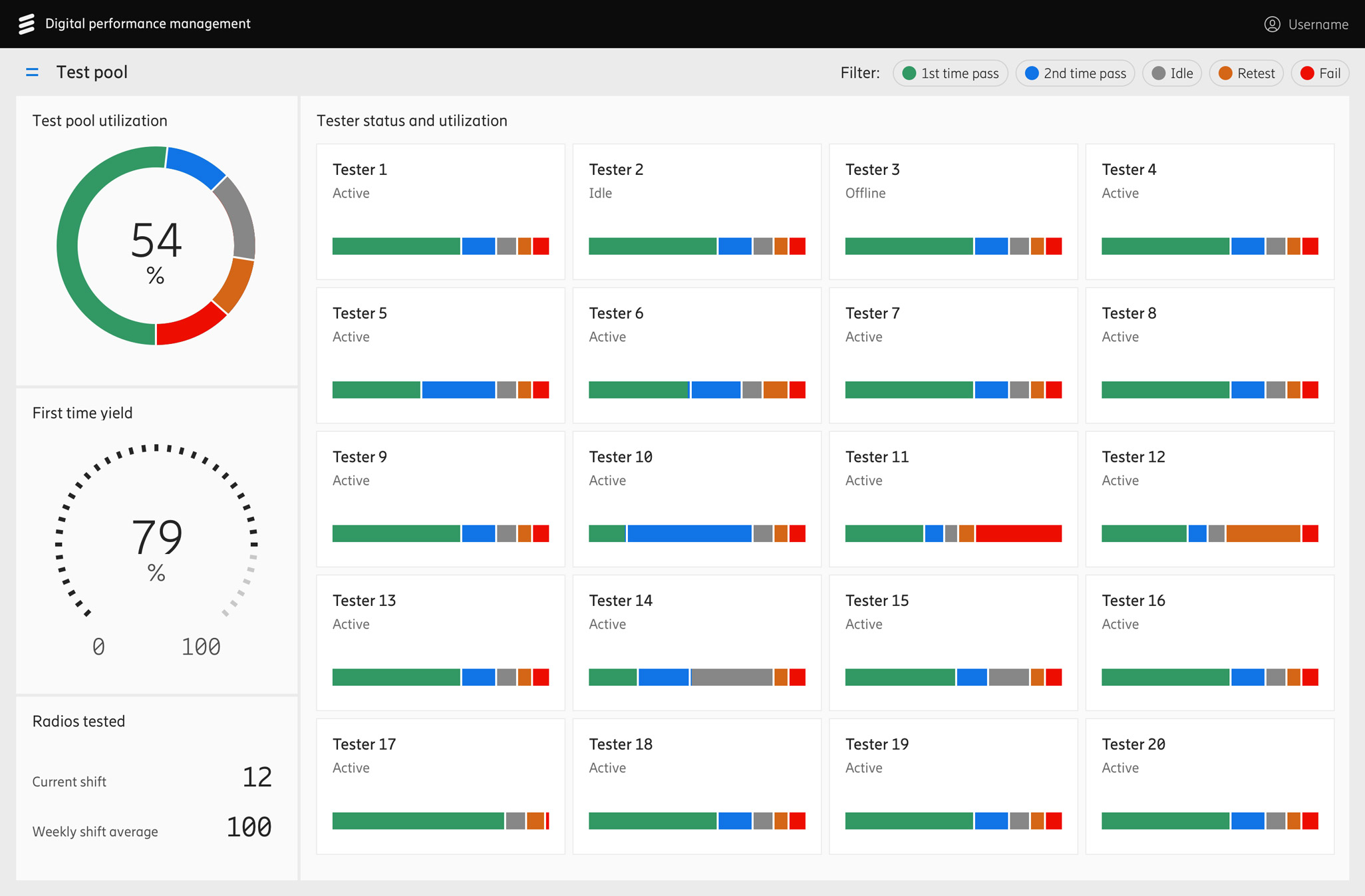
We also began exploring early wireframes for the screen-based use cases. These screens aimed to give visitors a quick, clear understanding of what was happening in the factory. Key views included test pool utilization, environmental monitoring, and the location and status of factory assets and tools.
Working in Dallas
In September 2019, I traveled to Dallas for the project kick-off with key stakeholders and the three on-site development teams. Ahead of the trip, we had distributed the 15 use cases across the UX team with clear ownership. My two fellow designers supported the work remotely, while I led five use cases on-site and coordinated the overall UX effort day to day.
As UX lead on-site, I met the development teams in person, established a clear UX presence, and represented the design perspective across the project. One of my first priorities was to present the Ericsson Design System to all developers and walk them through how we work and quality assure the user experience through our UX GPRs (Generic Product Requirements).
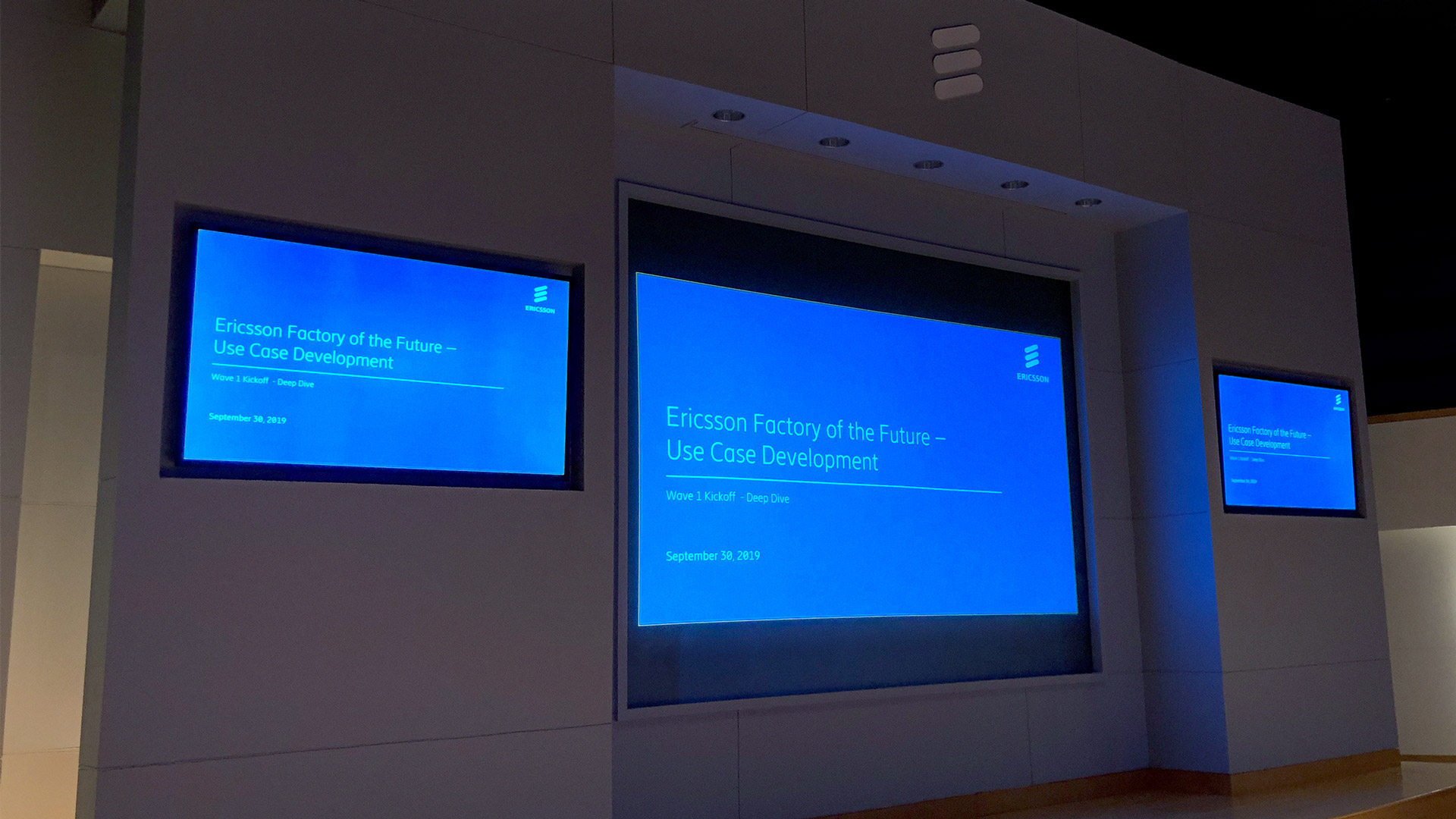
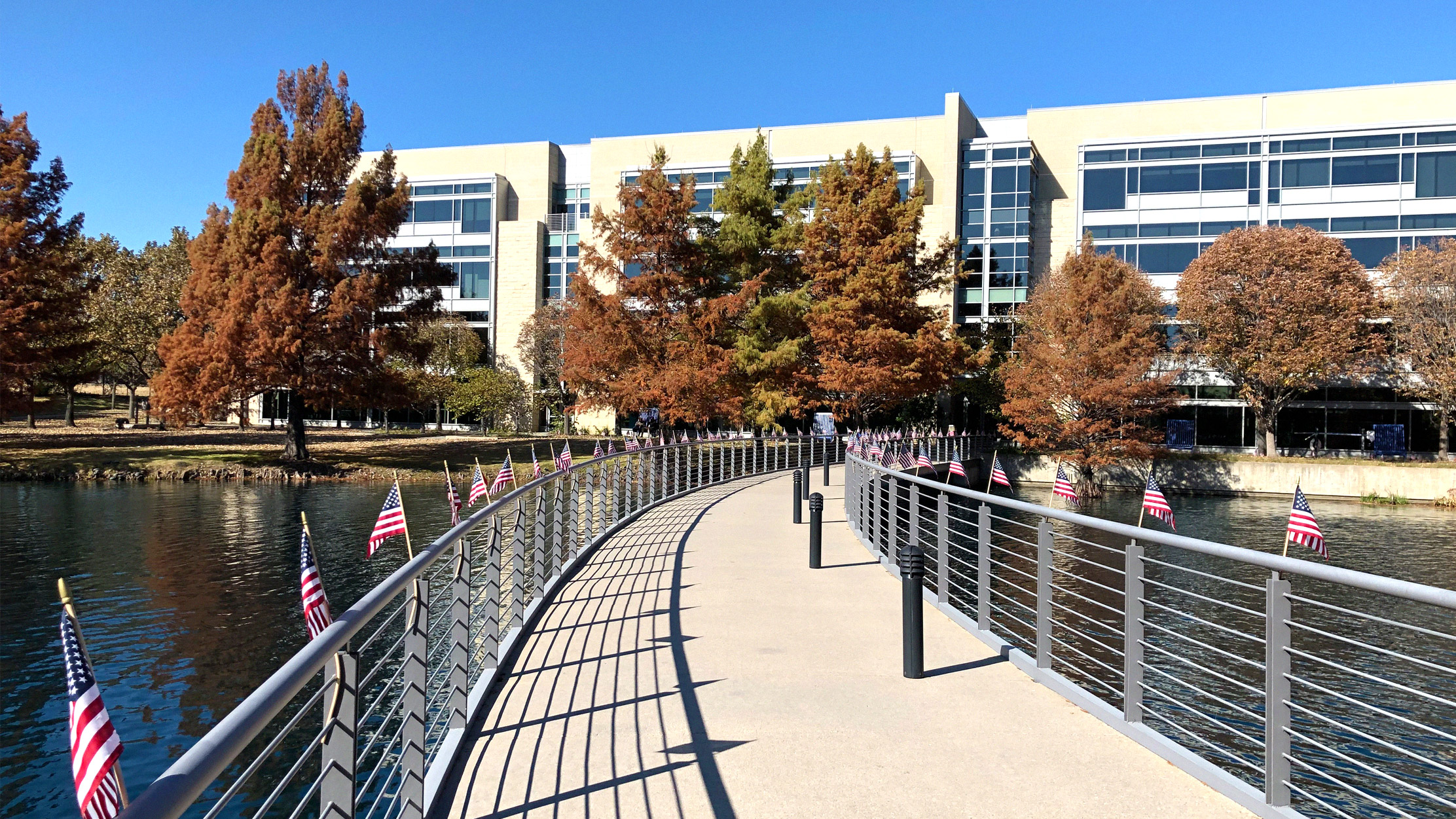
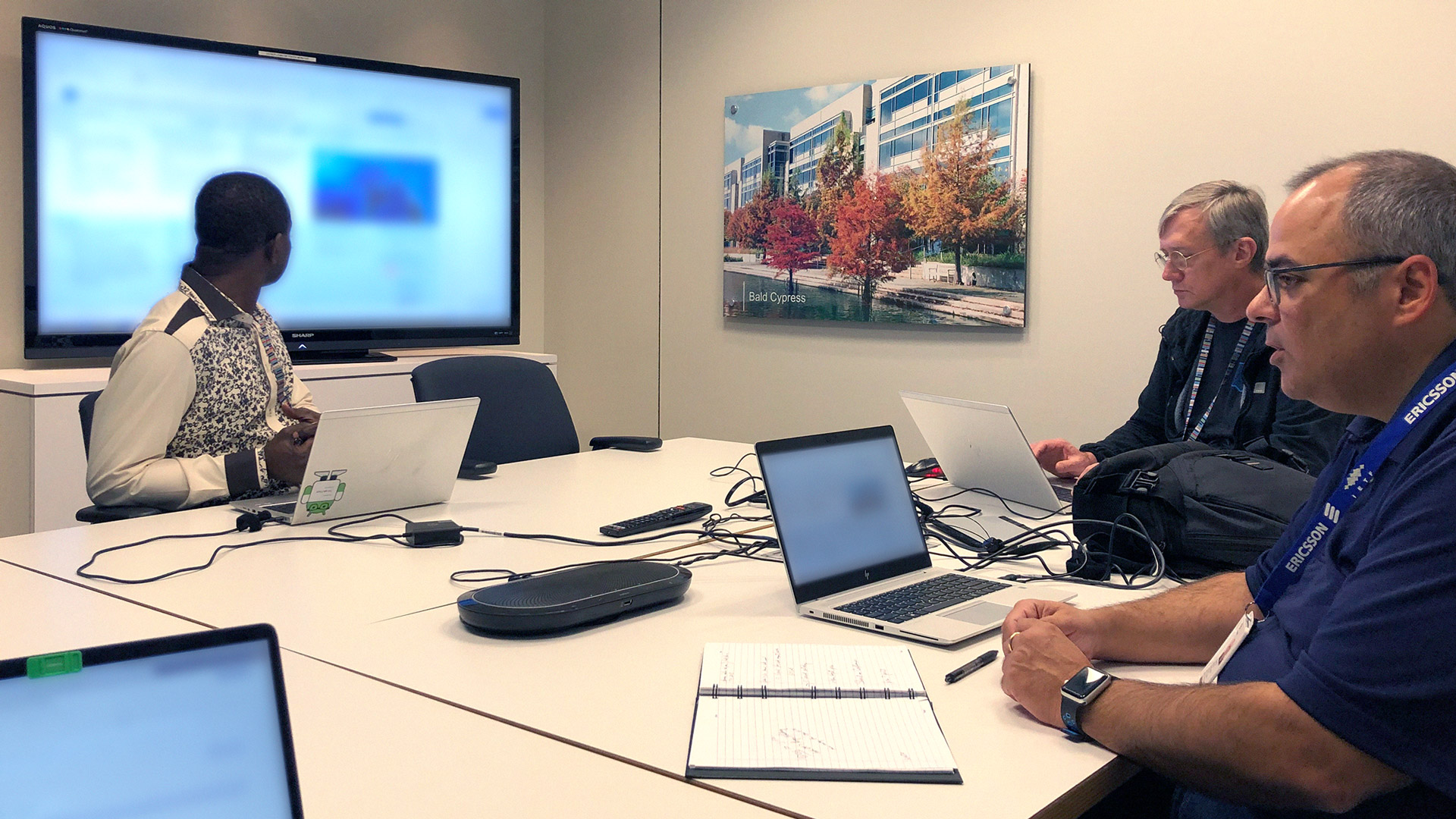
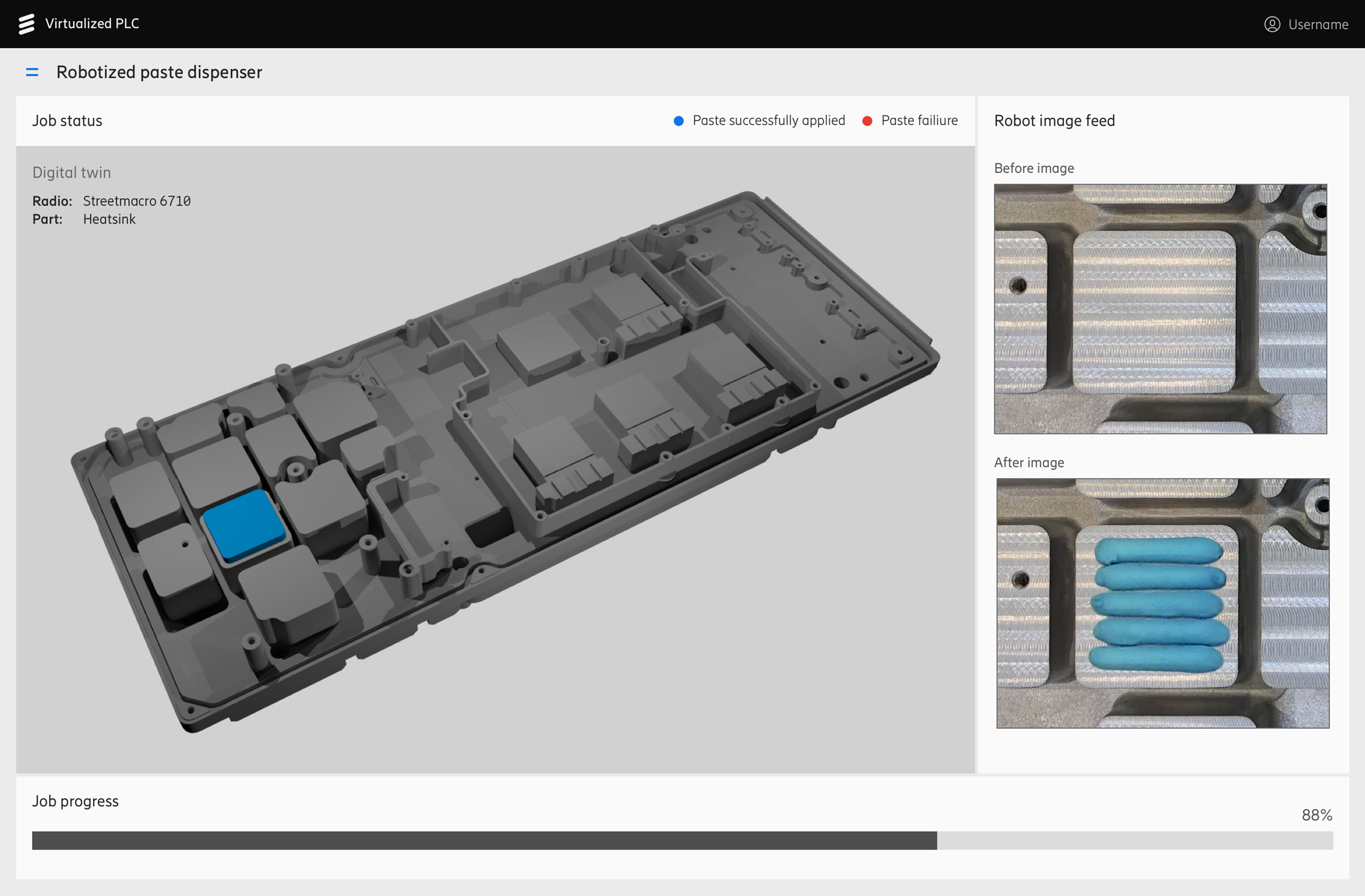
Alongside alignment meetings, I facilitated co-creative workshops where we ideated and discussed the most critical use cases. Together, we decided what information and data visualizations would best support the screen-based experiences. I led the sessions by asking key questions and sketching concepts directly on the whiteboard, helping teams visualize ideas in real time. This covered the test pool dashboard, including test yields and utilization per station, as well as the paste robot and optical inspection displays.
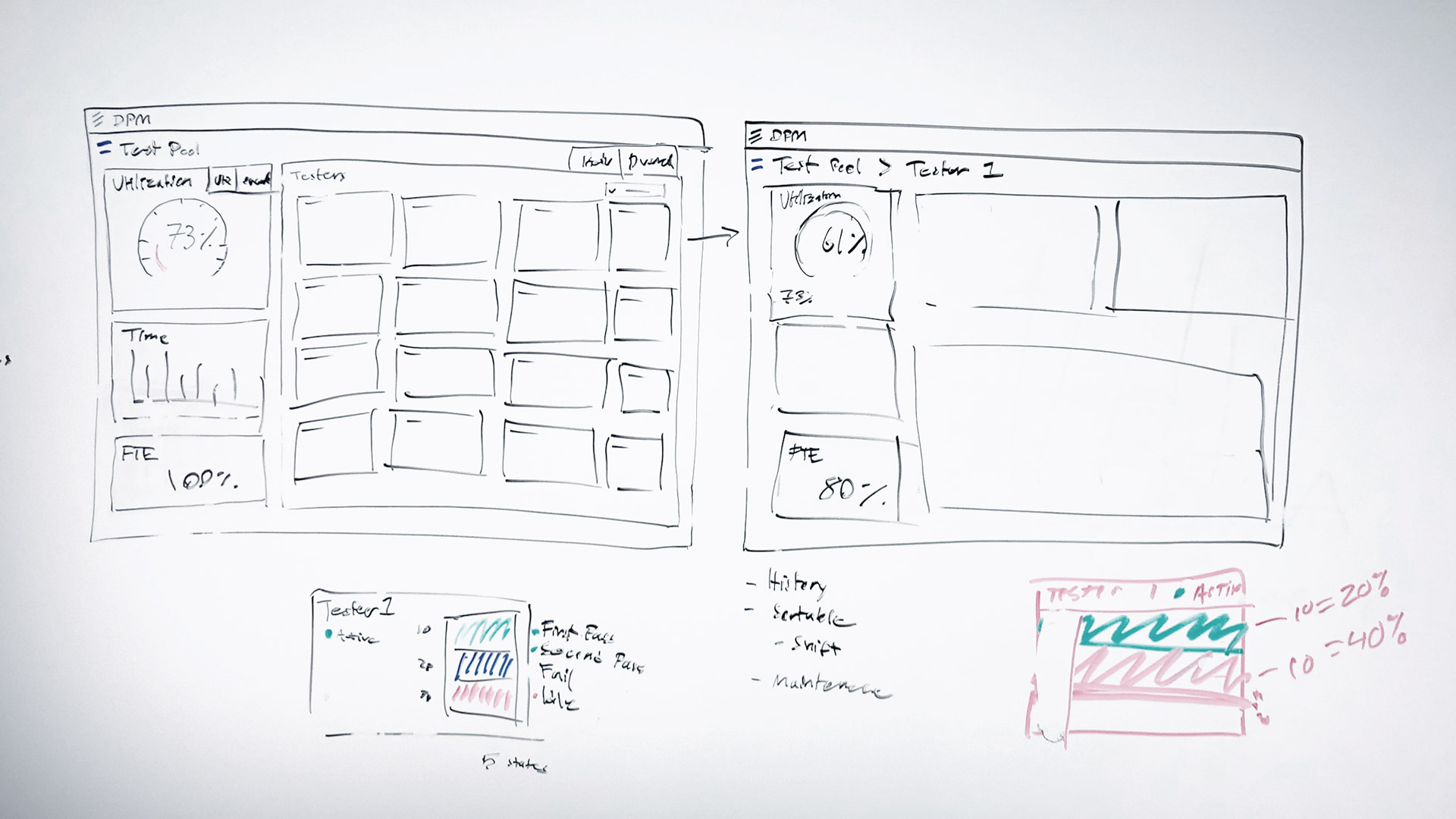
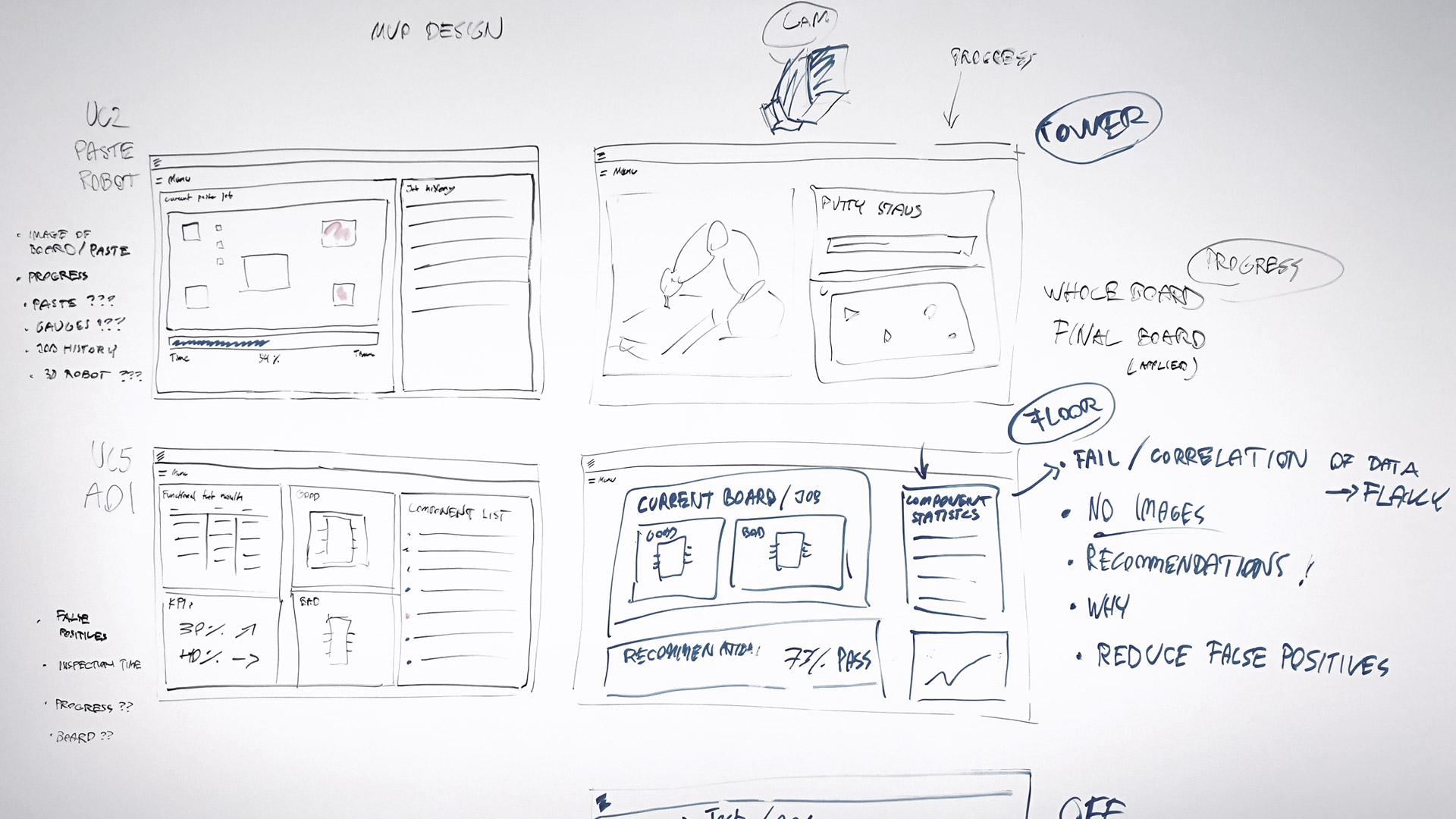
The workshops brought together developers, project managers, and key stakeholders in one room. By leading these sessions, I bridged knowledge gaps and built a clear picture of what data points were available, and what technology, sensors, and equipment each use case involved. We also discussed the visitor experience itself: who each use case was intended for, where it would create the most impact on the tour, and whether it belonged in the lobby, the control room in the tower, or directly on the factory floor. Involving everyone early meant the teams felt shared ownership of both the design direction and the final result.
Visits to the building site
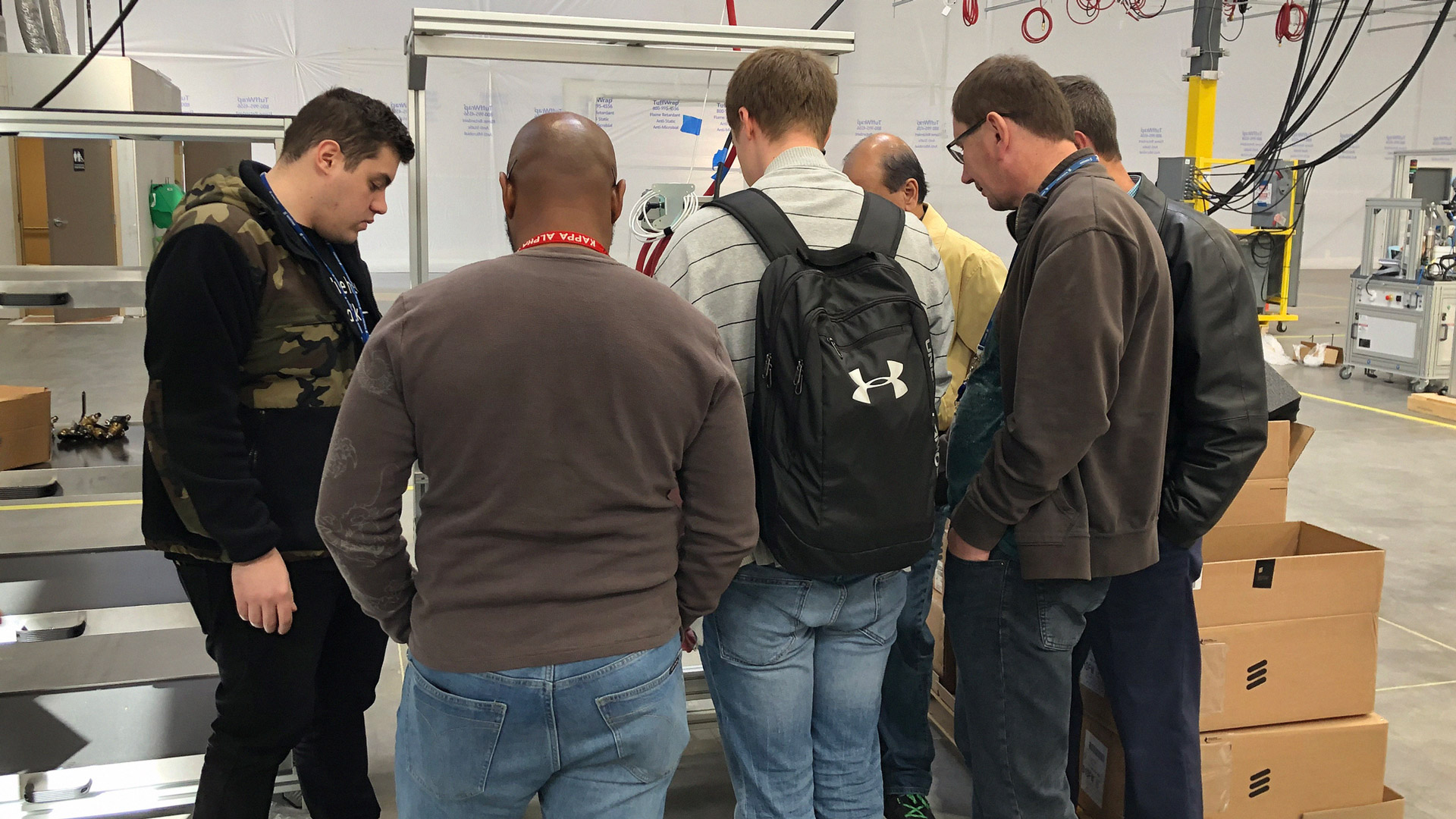
Two site visits took place during my time in Dallas. The first brought us to the Ericsson Center of Excellence, where we met trainers and riggers involved in telecom site rollouts. We saw their climbing gear, safety protocols, and tools, and observed a training course in progress.
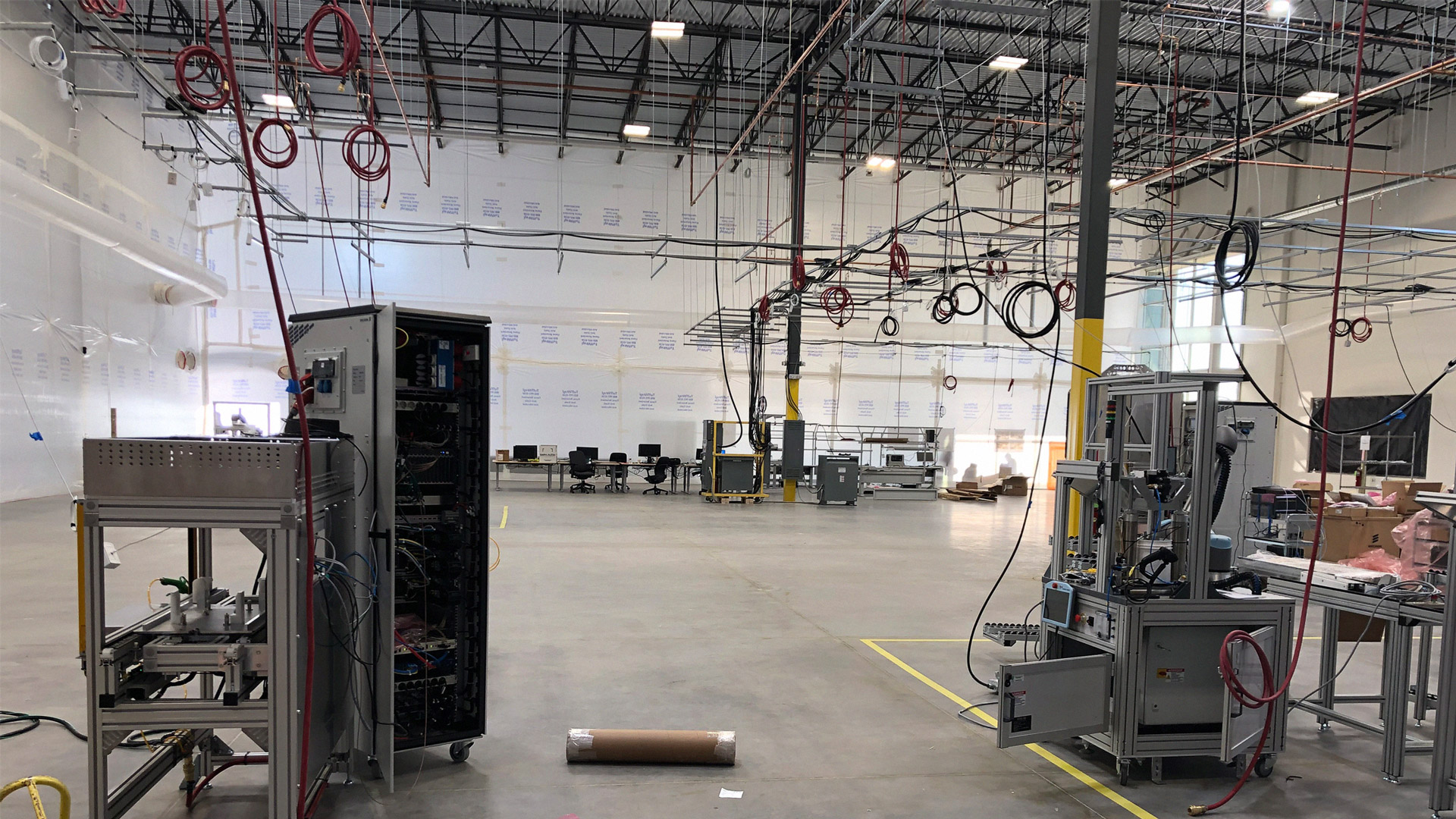
The second visit took us to the factory itself, still in the early stages of setup. Walking the floor gave me a real sense of its scale. Machines were being installed, and sensors, cameras, and screens were beginning to take shape. The visit also brought the team together, giving everyone a shared physical reference point to carry into the design and development work.
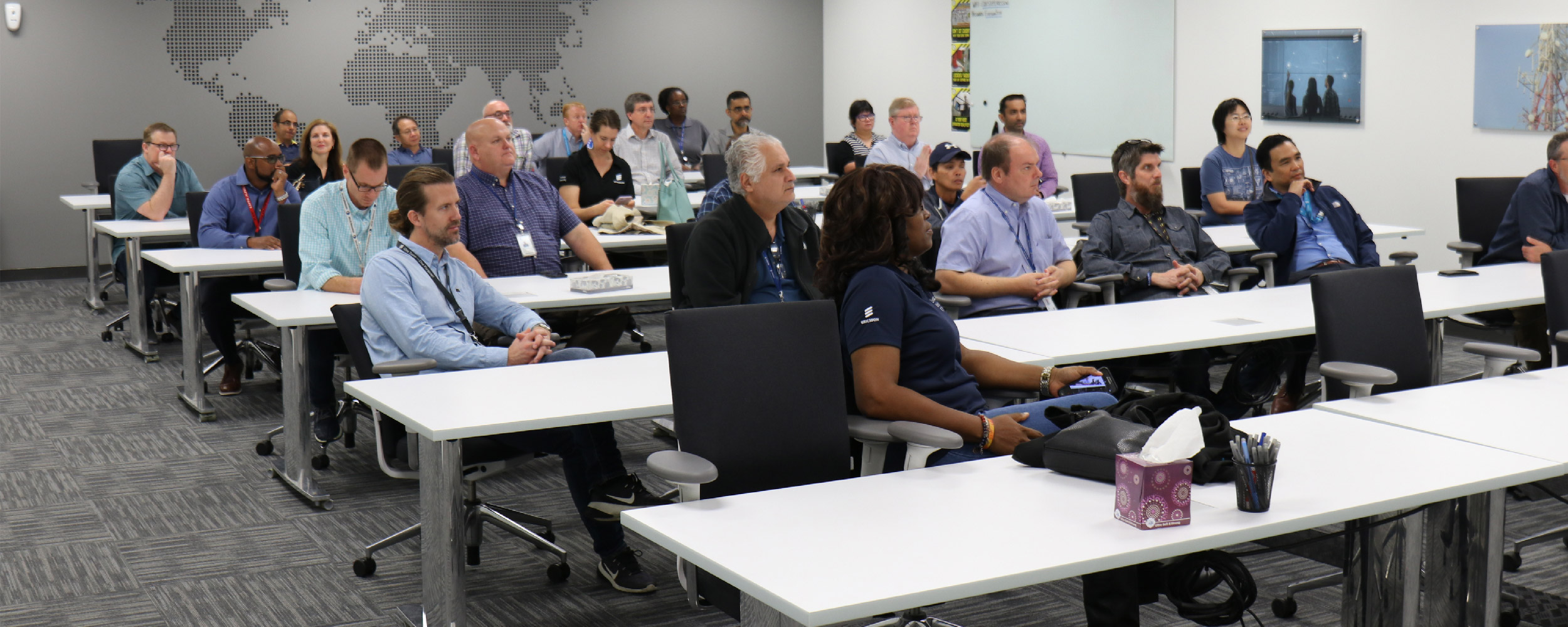
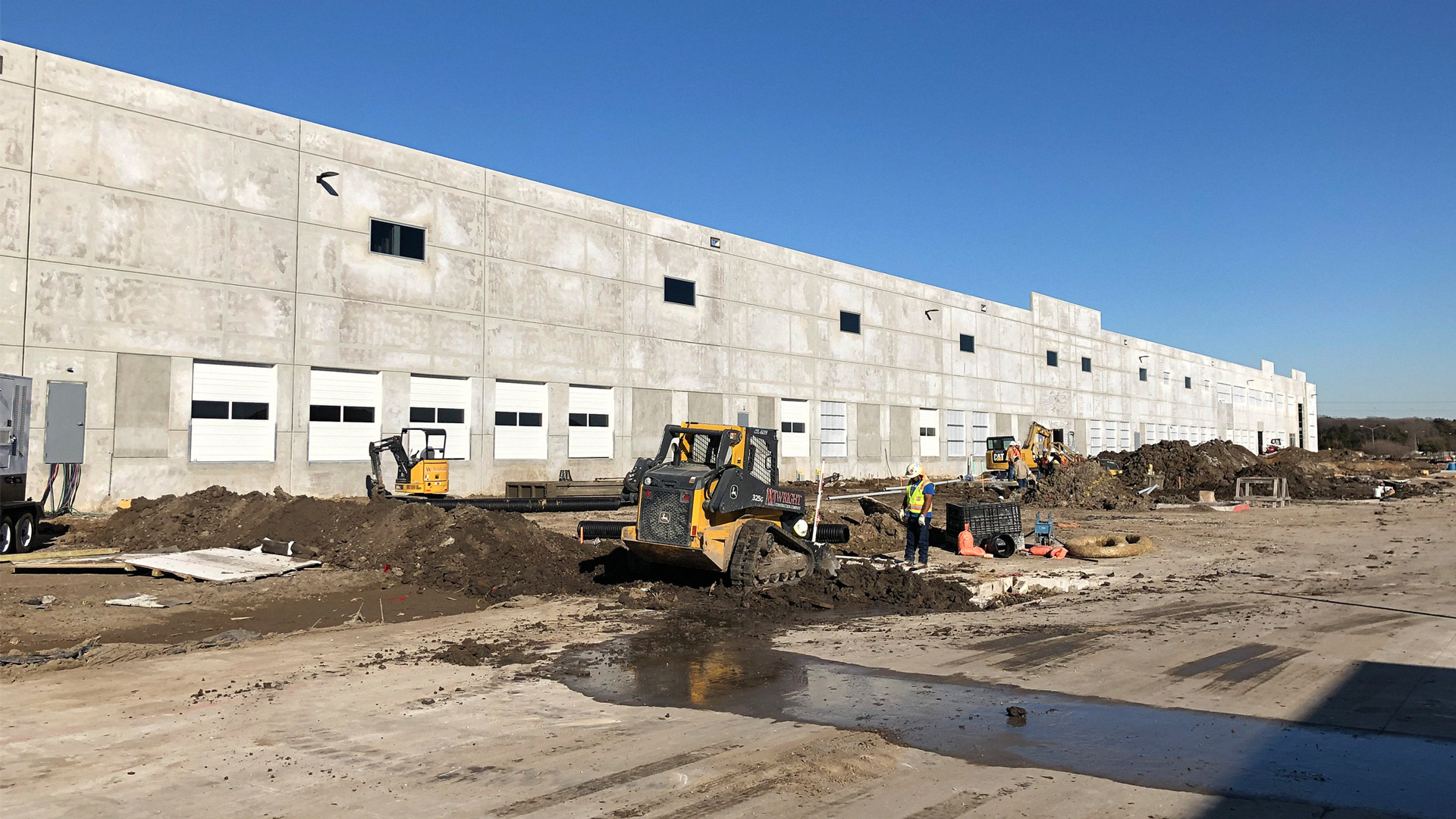
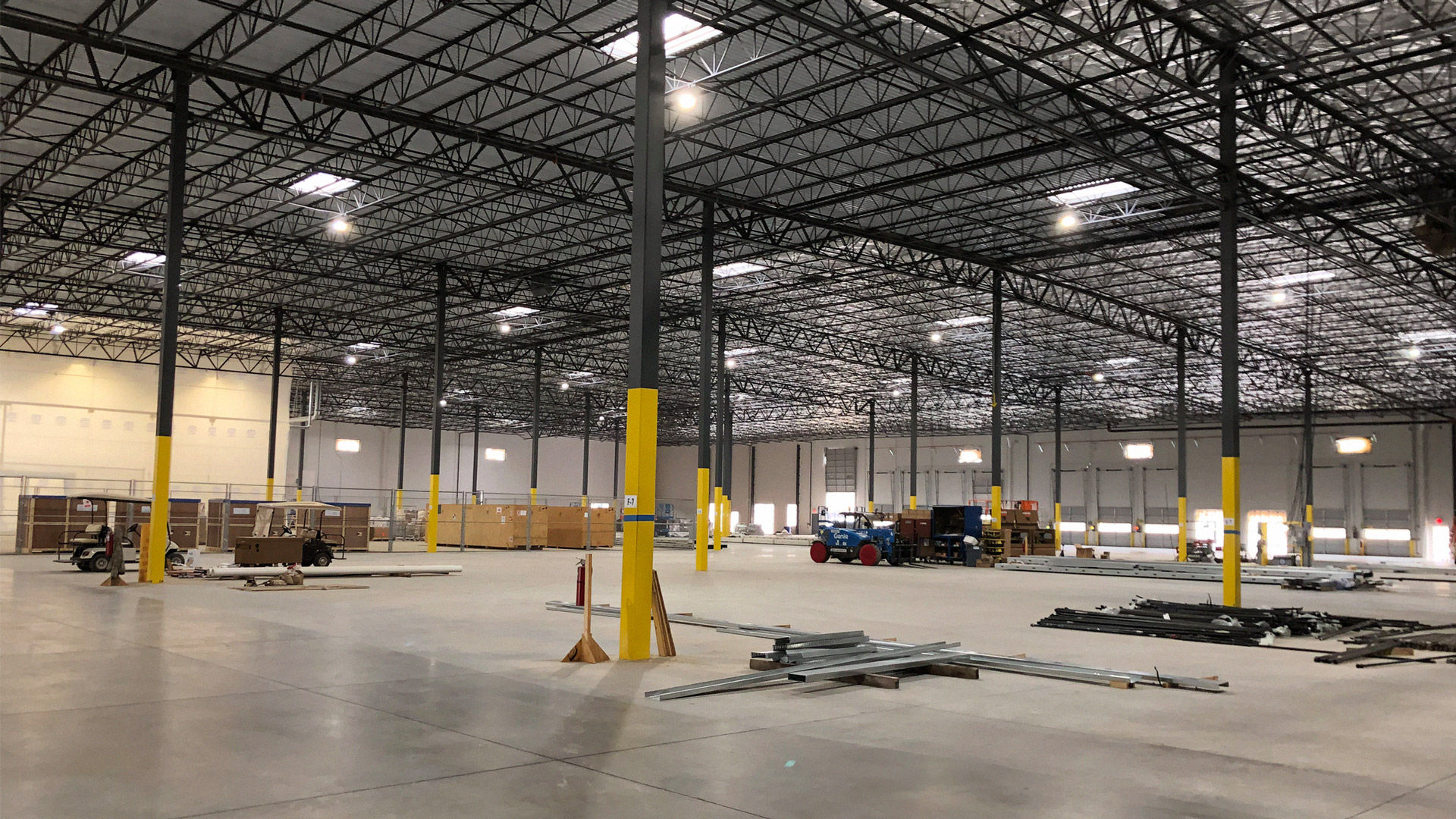
Prototyping
After the workshops and early wireframing, I moved into building high-fidelity prototypes for the key use cases. Using Ericsson Design System components, I translated the ideas and directions from our sessions into detailed, screen-based experiences ready for review and iteration.
Two central use cases at this stage were the Digital Performance Management dashboard and the Virtualized PLC. The performance dashboard gave visitors a clear, real-time view of test pool utilization and yields across each test station. The Virtualized PLC screen presented a digital twin of a radio heatsink. It combined a 3D visualization with a before and after view of the paste application, making an otherwise invisible automated process immediately visible and understandable.
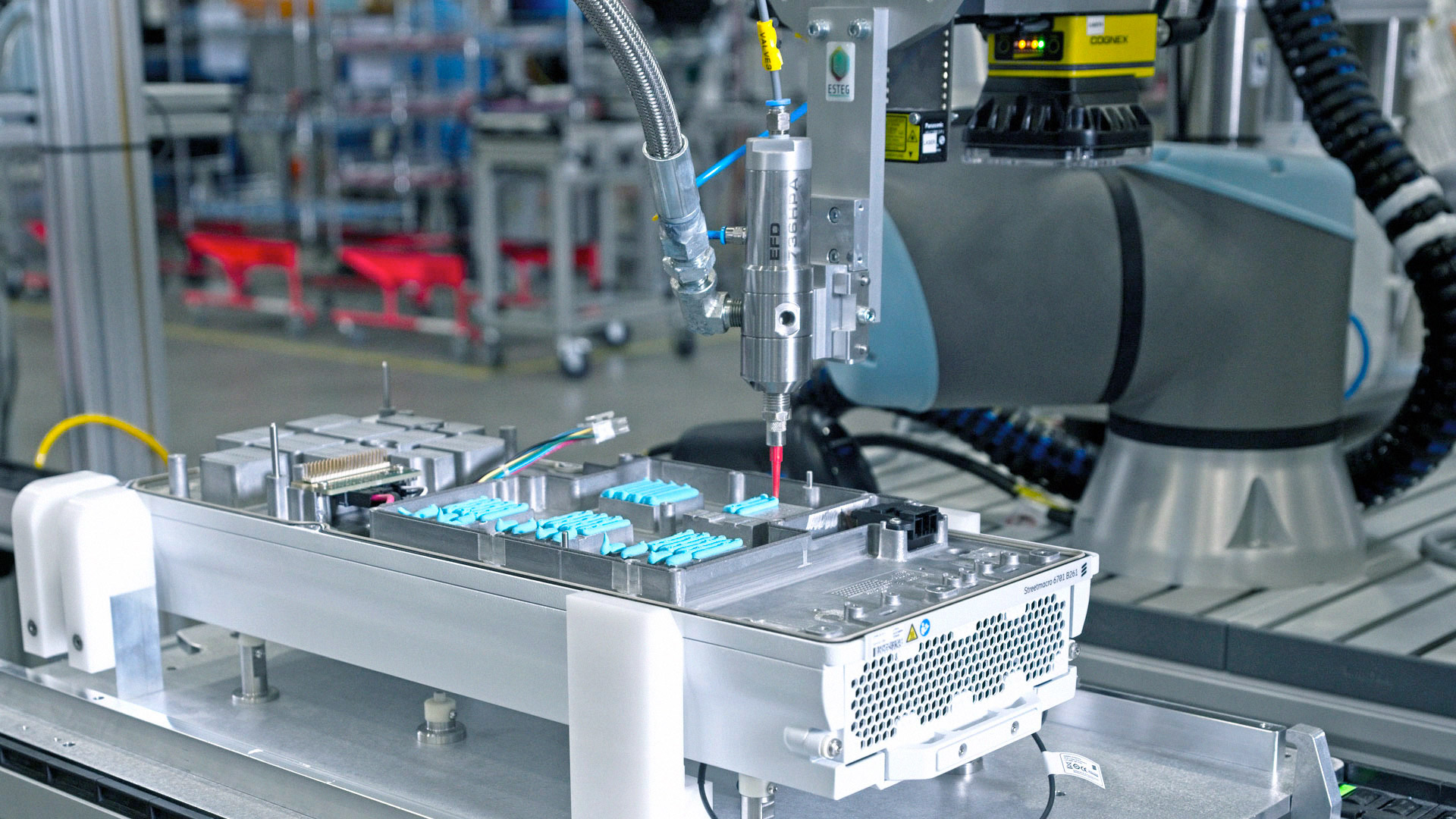
While designing and prototyping the screen-based use cases and coordinating the remote UX designers, I also developed concepts for broader visitor experience ideas that had emerged from our research.
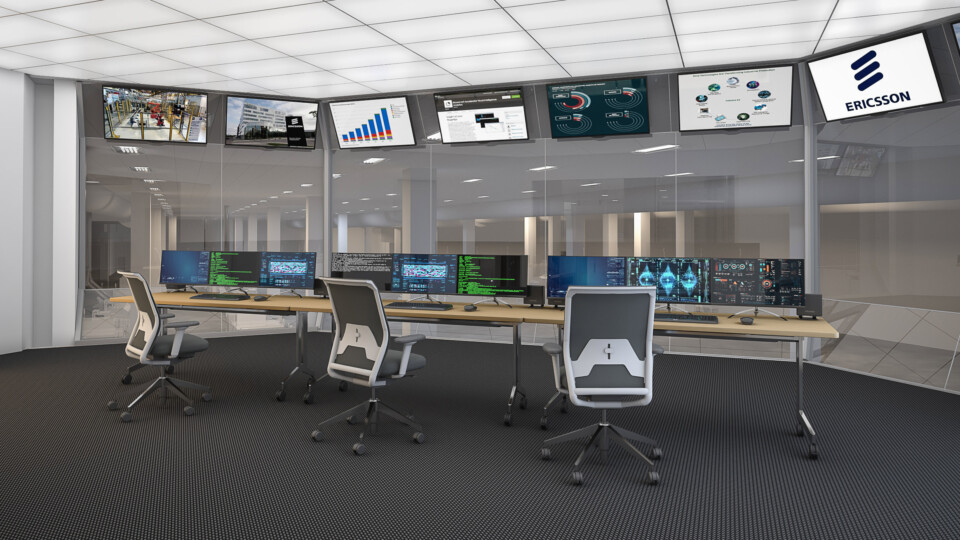
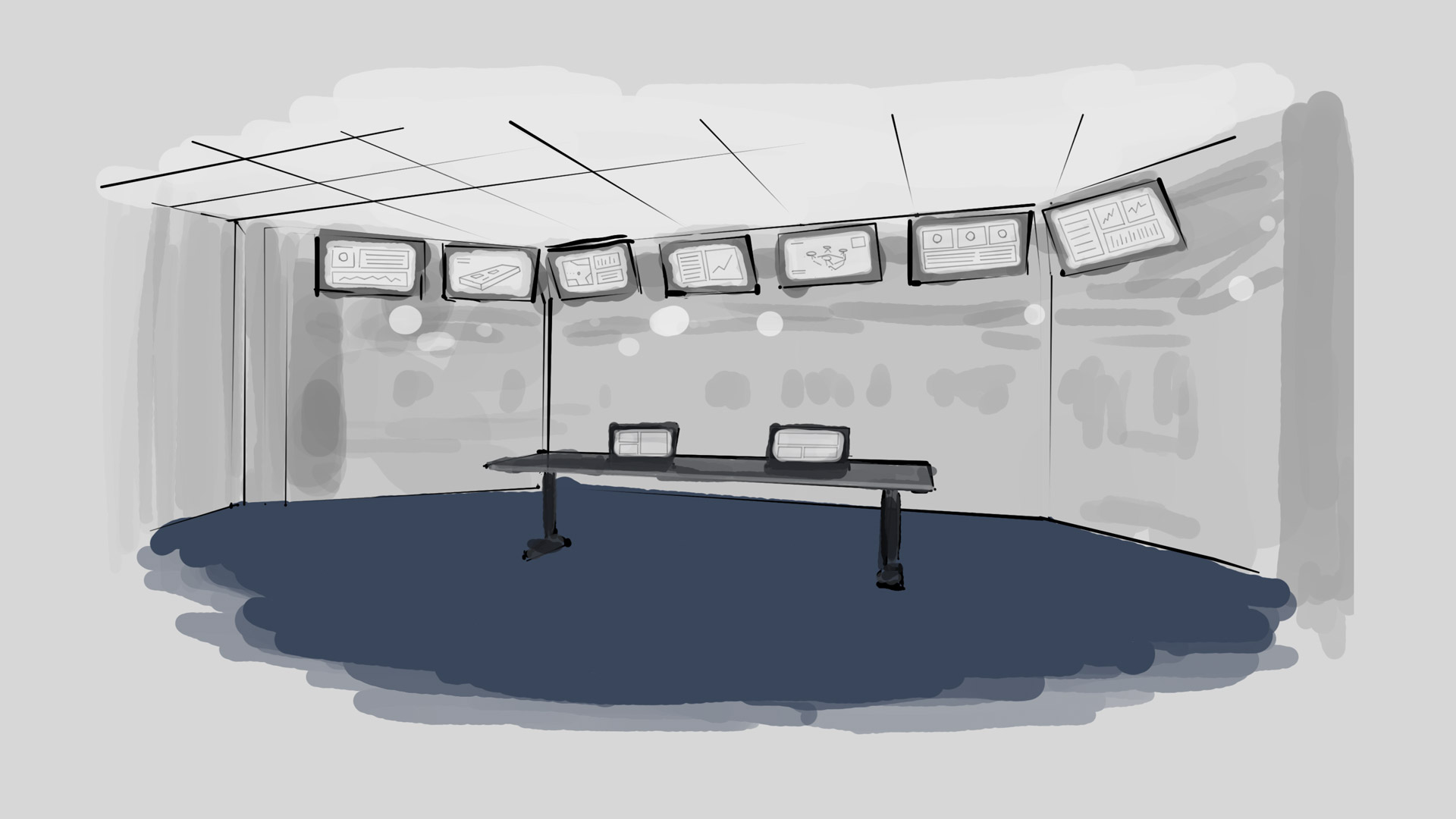
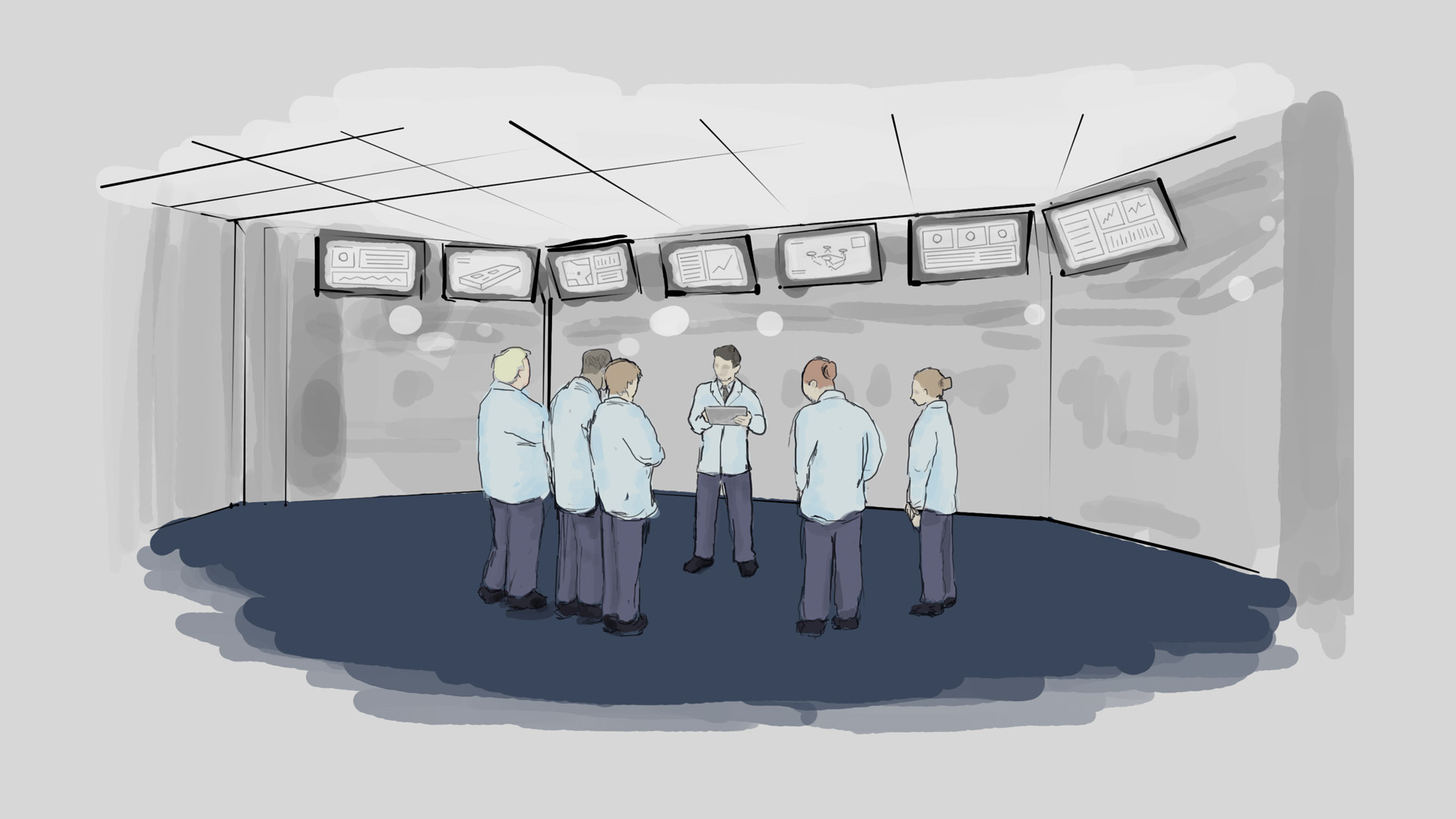
One of these was a rethink of the factory control room in the tower. Our research in Tallinn had raised questions about the original plan for a fixed control room setup, which would have been largely redundant in real operations. Instead, I conceptualized a more flexible space. It could serve shift teams for stand-up meetings and daily collaboration, while still functioning as a compelling stop on the visitor tour. Guests could view the larger screens above and look out through the glass wall onto the factory floor, getting a snapshot of live operations without static operators at a fixed desk.
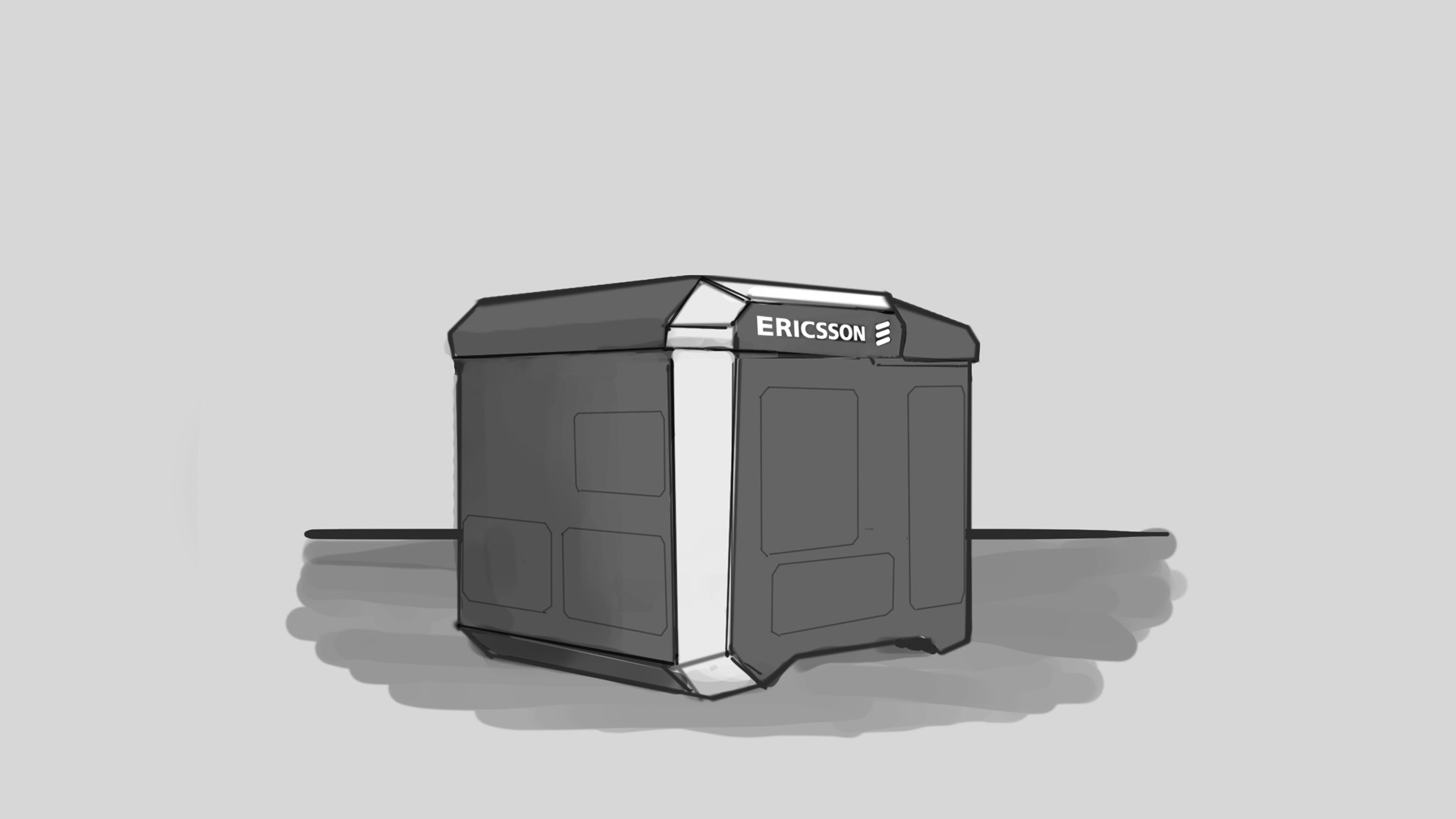
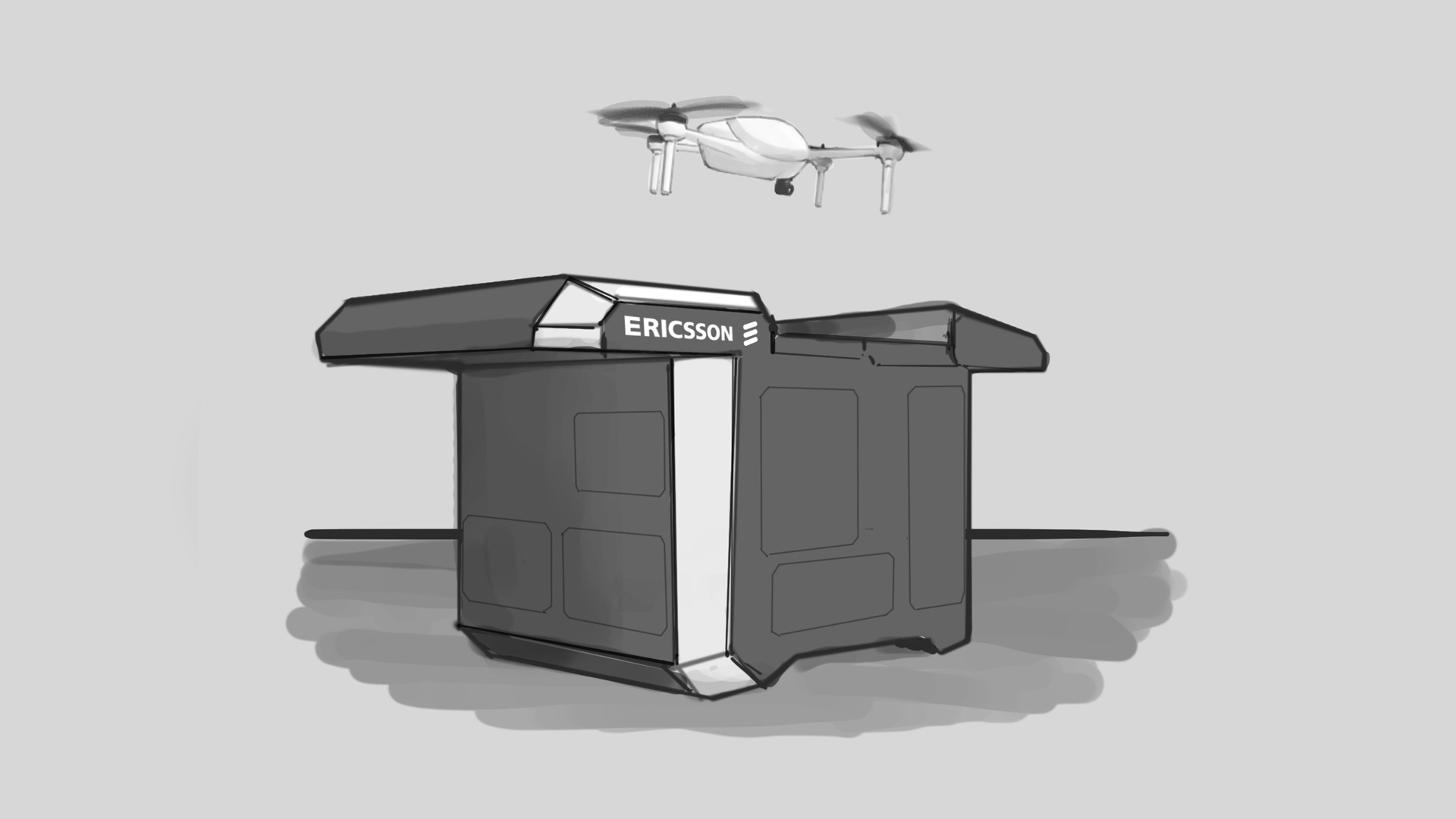
Another concept I contributed to was the drone use case, developed with an external provider. The drone patrolled the outside of the factory for security purposes, streaming live 4K video back to the facility over 5G. For visitors, it served as a vivid, real-world demonstration of what 5G connectivity enables in practice.
2020 and beyond
By the end of 2019, I returned home having established a solid UX foundation within the project. Collaboration routines were in place, use cases were taking shape, and my remote UX colleagues were well set up to continue the work. There were still open questions around data and content, but the energy was good and the direction was clear.
Plans were made for my return to Dallas in early 2020. Then the pandemic hit, pausing much of the hands-on and visitor-facing work we had been developing. Despite this, the factory continued toward completion. The Ericsson Smart Factory in Dallas became one of the first factories in the US to manufacture 5G equipment using 5G technology. It was a milestone that brought the project’s core ambition full circle, even if the visitor experience we had envisioned never fully launched in the form we had designed.
For me, the project remains a valuable chapter. It was my first time working remotely within another Ericsson office, embedded in a project of this scale and ambition. I met new colleagues, made friends, and navigated real complexity. Balancing design coherence, brand alignment, and user experience across a distributed team and a constantly evolving brief was a real challenge. The project presented a rare chance to shape how people experience and understand the future of industrial technology. The foundation was laid, even if the full vision was never realized.